
If you want accurate tracking, solid battery life, and meaningful training tools, you need to spend at least $150. The Amazfit Bip 6 challenges that assumption directly.
At $79.99, the Bip 6 delivers a 1.97-inch AMOLED display, five-satellite GPS, offline downloadable maps with turn-by-turn navigation, AI coaching, Bluetooth calling, 140+ workout modes, and up to 14 days of battery life.
The catch? The Bip 6 is a smartwatch that also does fitness, not a dedicated running watch. The GPS accuracy, training analytics depth, and HR sensor precision all trail what purpose-built running watches deliver at higher prices. And some advanced health features are locked behind a Zepp subscription.
But for casual runners, beginners, or anyone who wants a capable everyday companion without spending serious money, the Bip 6 is hard to argue against at $80.
Here’s the full picture in the Amazfit Bip 6 Review:
Quick Verdict
Overall Rating: 4.0 / 5
| Best For | Casual runners, beginners, and budget-conscious buyers who want a capable all-round smartwatch with GPS and fitness tracking |
| Skip If | You need dedicated running analytics depth, precise HR accuracy, or multi-week GPS battery for endurance events |
| Price | $79.99 |
| You need dedicated running analytics depth, precise HR accuracy, or a multi-week GPS battery for endurance events | 1.97″ AMOLED display + offline maps + AI coaching + Bluetooth calling at $79 |
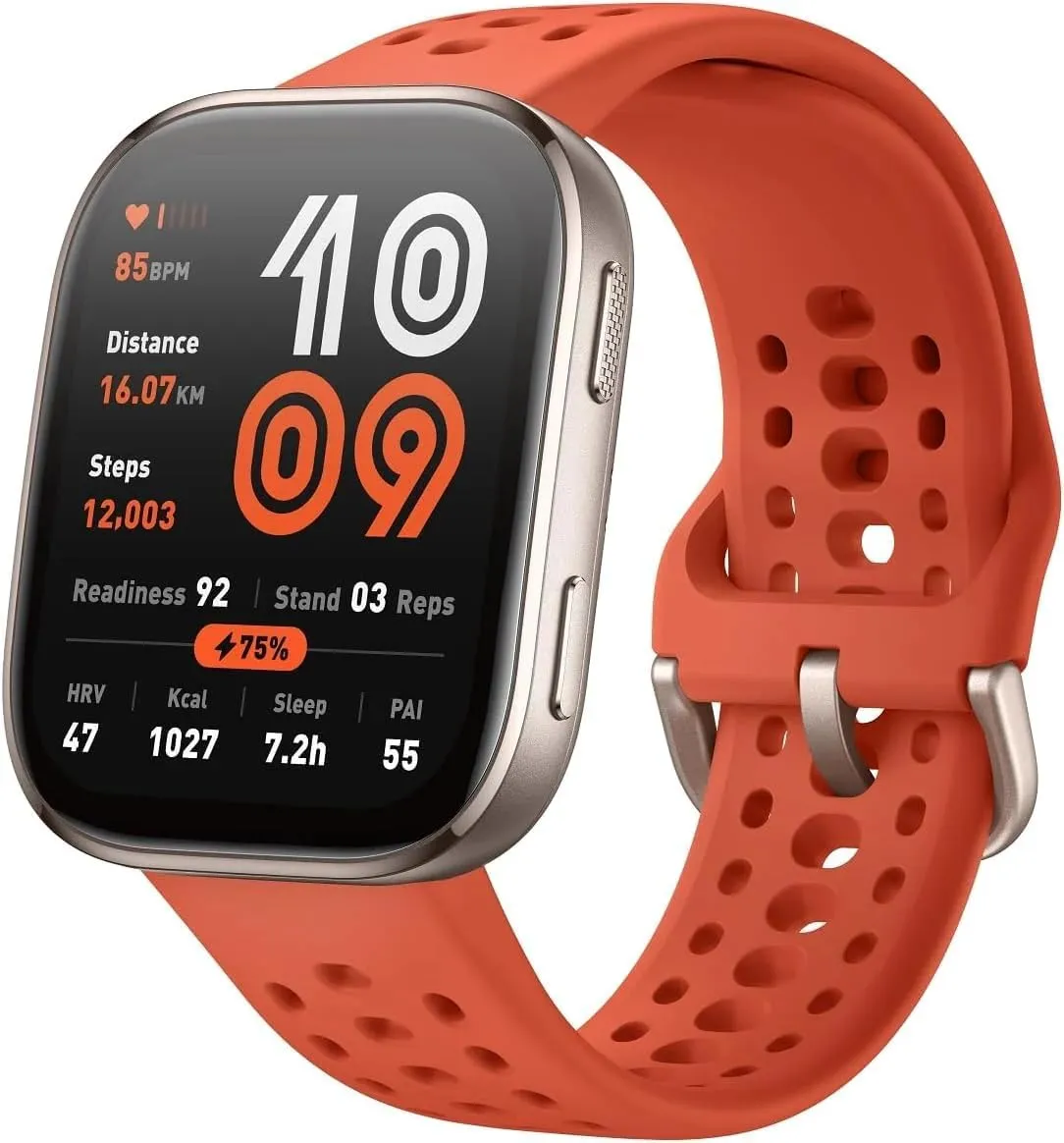
Amazfit Bip 6
Pros
Cons
Specs Overview
| Spec | Details |
|---|---|
| Display | 1.97″ AMOLED, 390×450, 302ppi, 2,000 nits |
| Case Size | 46mm square |
| Frame | Aluminum alloy |
| Case | Fiber-reinforced polymer |
| Glass | Tempered glass + oleophobic coating |
| Weight | ~25.6g (without strap) |
| Battery (Typical) | Up to 14 days |
| Battery (Heavy Use) | Up to 6 days |
| GPS | Five systems: GPS, GLONASS, Galileo, BeiDou, QZSS |
| Heart Rate | BioTracker optical, 24/7 |
| Water Rating | 5 ATM (50m) |
| Maps | Offline downloadable, turn-by-turn |
| Calling | Bluetooth (via paired phone) |
| Voice Control | Zepp Flow |
| OS | Zepp OS 4.5 |
| Colors | Black, Charcoal, Red, Stone |
| Price | $79.99 |
| Released | 2025 |
Related: Best GPS Running Watches / Best Affordable watches
Price
At $79.99, the Amazfit Bip 6 is one of the most feature-dense watches available at any price. Here’s what makes the value argument so striking:
| Watch | Price | AMOLED | GPS | Offline Maps | Calling | Battery |
|---|---|---|---|---|---|---|
| Amazfit Bip 6 | $79 | ✅ | ✅ | ✅ | ✅ BT | 14 days |
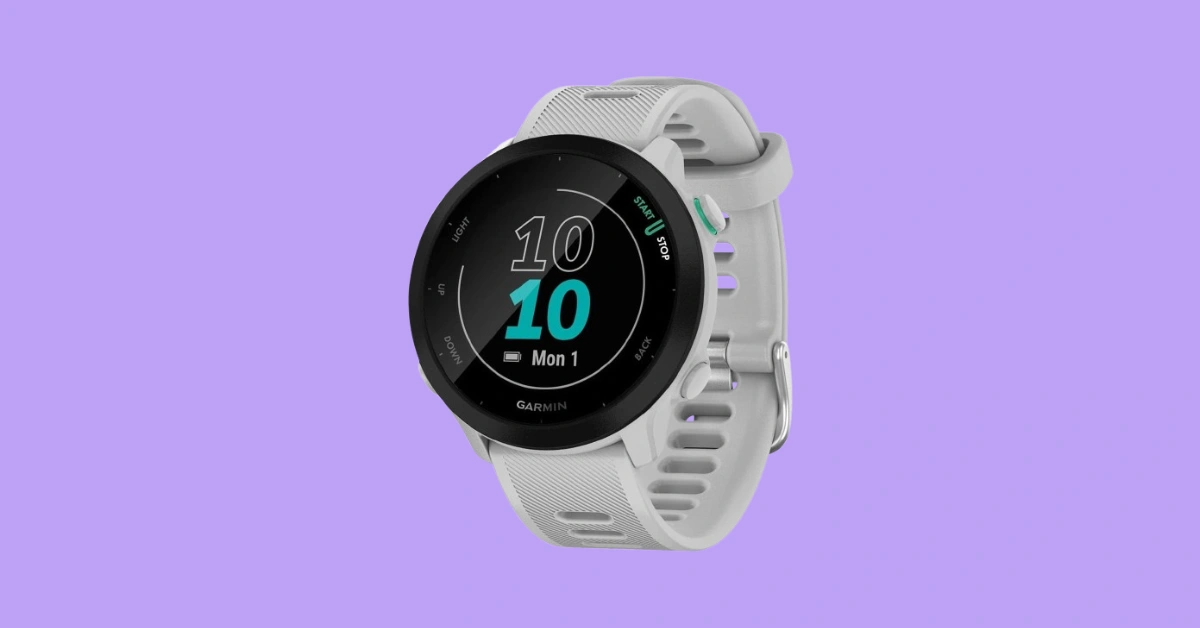
| Garmin Forerunner 55 | ~$149 | ❌ | ✅ | ❌ | ❌ | 14 days |
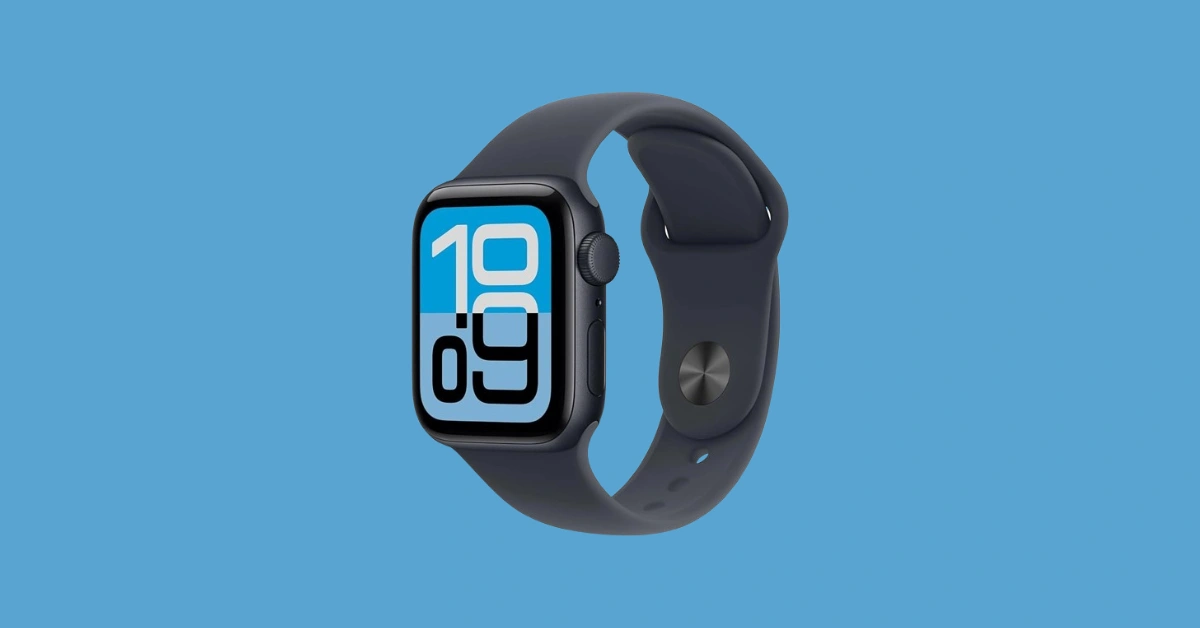
| Apple Watch SE 3 | $249 | ✅ | ✅ | ❌ | ✅ 5G | 18 hrs total |
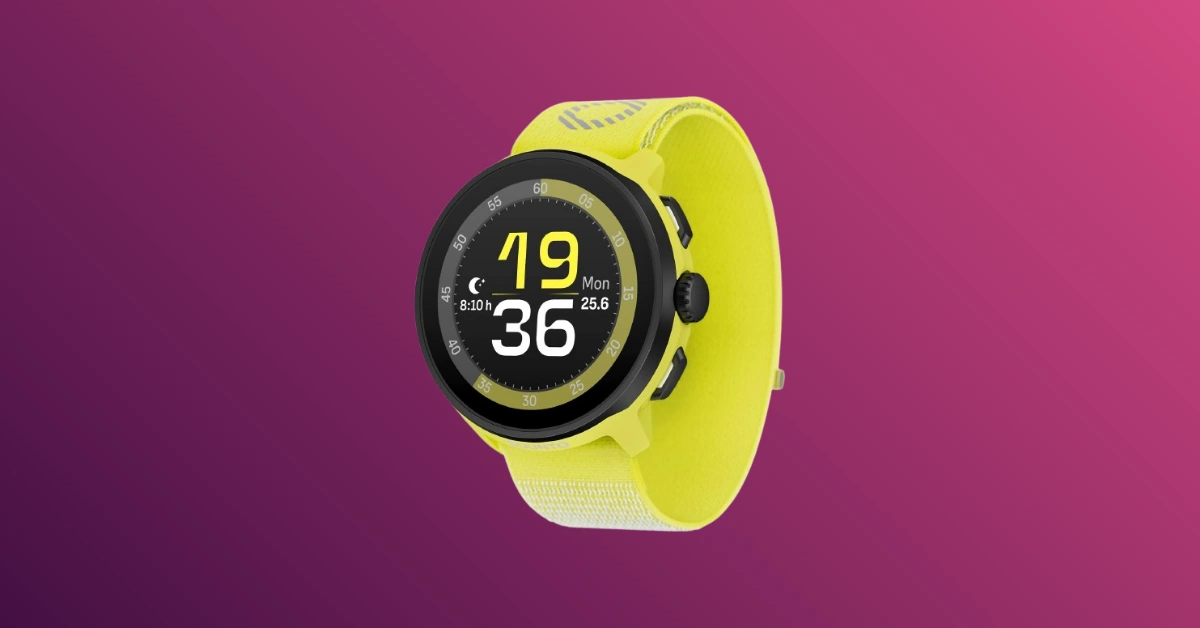
| Coros Pace 4 | $249 | ✅ | ✅ | ❌ | ❌ | 41 hrs GPS |
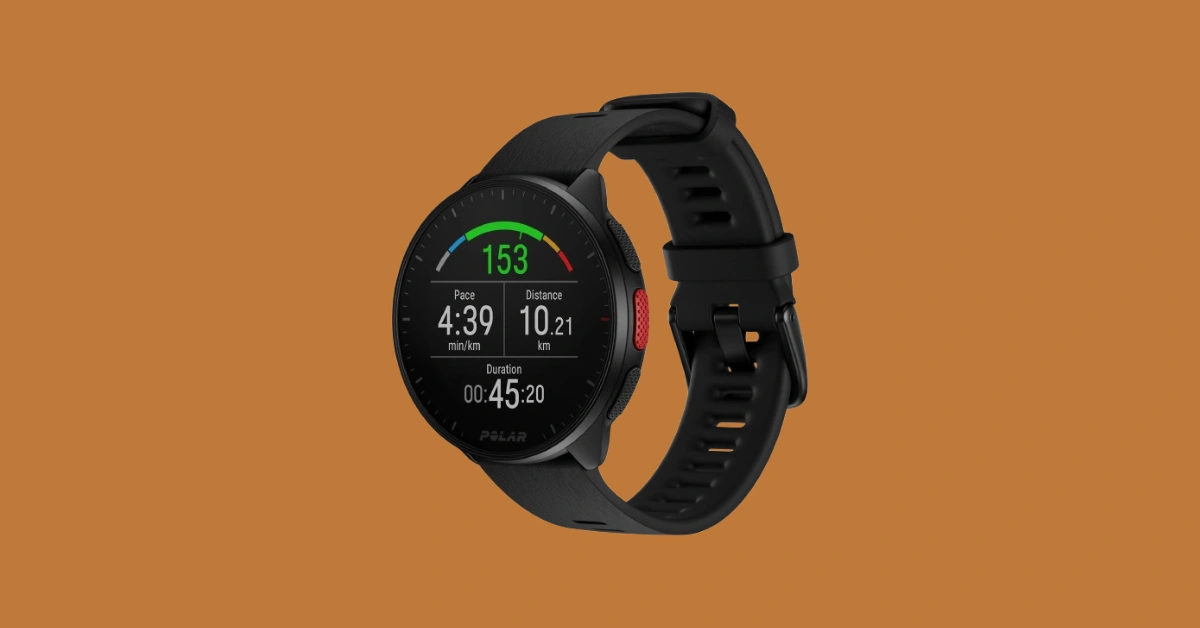
| Polar Pacer | ~$149 | ❌ | ✅ | ❌ | ❌ | 35 hrs GPS |
The spec sheet comparison is striking. At $79, the Bip 6 offers offline maps and Bluetooth calling features.
Features on paper don’t always translate to equivalent real performance. The Bip 6’s GPS accuracy, HR precision, and training analytics depth trail what dedicated running watches deliver. It wins on breadth at a low price not on depth, for serious athletes.
For casual runners, beginners, and everyday fitness users who want to maximize features per dollar, the Bip 6 is genuinely extraordinary value.
Design
The Amazfit Bip 6 makes a strong first impression. The square 46mm case with an aluminum alloy frame and fiber-reinforced polymer body looks and feels more premium than its $79 price suggests. Multiple reviewers noted genuine surprise at the build quality out of the box; it doesn’t feel budget in hand or on the wrist.
The design draws clear Apple Watch comparisons, square face, curved corners, grid-based app interface. It won’t be mistaken for an Apple Watch up close, but the aesthetic language is similar enough to look modern and familiar to anyone used to wearing a smartwatch.
At approximately 25.6g without the strap, it’s light and comfortable for all-day wear, including sleep tracking. The silicone strap is soft and snug, easy to adjust, and comfortable for workouts and overnight use.
Four color options, Black, Charcoal, Red, and Stone, give some personality without going overboard. The Red option in particular stands out as a statement piece at this price point.
Two side buttons navigate the watch. Zepp Flow voice commands (more on that later) reduce how often you need to reach for the buttons during workouts a useful addition.
One design limitation: only tempered glass for display protection, no Gorilla Glass or sapphire. It’s remained scratch-free in testing periods up to two months, but long-term durability is harder to assess versus scratch-resistant alternatives.
No USB-C cable is included in the box just the proprietary USB-C charging disc. Amazfit assumes you have a cable at home, which most people do. If you don’t, it’s a minor nuisance.
Display
The jump from the Bip 5’s TFT screen to the 1.97-inch AMOLED display at 390×450 resolution and 2,000 nits peak brightness is the Bip 6’s single biggest hardware upgrade and it’s transformative.
Colors are vivid and saturated. Blacks are deep. Contrast is sharp. At 302ppi, text and data are crisp and readable at a glance. The 2,000-nit peak brightness means direct sunlight readability is genuinely good, better than many more expensive watches with AMOLED panels that cap at 1,000 nits.
The always-on display mode is available but significantly impacts battery life, reducing it from 14 days typical to under a week. Most users will find raise-to-wake the better balance for daily use.
The display is large relative to the watch’s overall footprint, though a noticeable black bezel surrounds it a consistent Bip aesthetic choice that reduces the effective screen-to-body ratio slightly. It doesn’t significantly detract from usability, but is visible when comparing to edge-to-edge designs.
Over 400 watch faces are downloadable via the Zepp app, and custom photo watch faces are supported a personalization level typically reserved for more expensive smartwatches.
Training Features
Running & Fitness Tracking
- 140+ workout modes: Running (outdoor, indoor, track, trail), cycling, swimming, strength training, HYROX, yoga, and more
- Built-in GPS with five satellite systems for outdoor workout tracking
- Offline downloadable maps with turn-by-turn navigation — free, no subscription required. Sync route areas from the Zepp app, navigate on-watch with directional prompts
- AI Zepp Coach: Creates personalized training plans based on your fitness level and recovery data, includes marathon-specific plans for 3K, 5K, 10K, half, and full marathon distances. Plans adapt based on performance and recovery
- Smart Strength Training mode: Auto-detects 25 exercise types, tracks reps, sets, and rest periods, sync workout plans from the Zepp app
- Readiness Score: Daily training readiness based on sleep quality, HRV, and recovery data
- HYROX Race mode: Dedicated tracking for the HYROX format, 1km runs alternating with functional fitness stations — a feature rarely seen even on more expensive watches
- PAI (Personal Activity Intelligence): A research-backed metric that quantifies weekly activity into a single score. Maintaining 100+ PAI is linked to lower cardiovascular disease risk
Health Monitoring
- BioTracker 24/7 monitoring: Heart rate, blood oxygen (SpO2), stress, sleep
- One Tap Measuring: Records HR, stress, SpO2, and breathing rate in 45 seconds with a single touch
- Sleep tracking: Automatic detection with sleep stages (light, deep, REM), breathing quality, HRV during sleep, and nap detection
- HRV monitoring: Continuous overnight HRV tracking
- Stress monitoring: Continuous stress level assessment with guided breathing exercises
- Women’s health: Menstrual cycle tracking with predictions and fertility reminders
Important note on advanced sleep features: Some detailed sleep analysis and AI-powered insights require a Zepp Premium subscription. Basic sleep tracking (stages, duration) is free; deeper analysis layers carry a paywall. Factor this in if sleep analytics depth is a priority.
Smart Features
- Bluetooth calling: Make and answer phone calls from the wrist. Good volume, reasonable microphone clarity, though reliability can be inconsistent depending on phone distance
- Zepp Flow voice control: Operate the watch via voice commands without specific trigger words, adjust settings, check health data, start workouts, and reply to notifications. TechRadar found this genuinely excellent in practice
- Notifications: Calls, texts, app alerts
- Music control: Play, pause, skip on paired phone
- Camera control: Remote shutter for iPhone users
- Weather, alarm, stopwatch, calculator
Third-party integrations: Strava, TrainingPeaks, Apple Health, Adidas Running, Relive, Komoot
Bottom line on training features: Remarkably feature-rich for $79. Offline maps, AI coaching, HYROX mode, and Smart Strength Training are all genuinely useful additions. The depth of running analytics (training load, HRV Status equivalent, advanced recovery) trails dedicated sport watches. The Zepp subscription paywall for some sleep insights is a frustration at this price.
Performance
GPS Accuracy
The Bip 6 supports five satellite systems GPS, GLONASS, Galileo, BeiDou, and QZSS, a strong foundation for GPS accuracy. In real-world testing on road runs and outdoor activities, GPS tracking is solid for a budget smartwatch. Route maps in the Zepp app show clean, recognizable tracks.
The honest caveat: GPS accuracy trails dedicated running watches from Garmin, Coros, and Polar in challenging conditions, dense urban environments, forest canopies, and switchback trails all show more deviation. For casual runners on roads and open paths, accuracy is completely usable. For serious athletes who need precise pace data and split accuracy for interval training, a dedicated sport watch is a meaningfully better tool.
Heart Rate Accuracy
The BioTracker optical sensor provides 24/7 HR monitoring and performs well for resting heart rate and steady-state cardio. During high-intensity efforts intervals, sprint sessions optical HR can lag or spike, as with all wrist-based sensors. The One Tap Measuring feature for on-demand readings is a practical convenience.
For casual fitness tracking and general health monitoring, accuracy is appropriate. For heart rate zone training where precise HR data drives workout execution, a chest strap paired with a dedicated sport watch remains more reliable.
Battery Life
Amazfit claims up to 14 days in typical use. Real-world testing across multiple reviewers consistently delivers approximately 10 days with daily health monitoring, sleep tracking, and regular GPS sessions at around 10% drain per day. That’s genuinely impressive for a watch with a 2,000-nit AMOLED display.
Heavy use, always-on display, frequent GPS, and continuous monitoring drop to approximately 6 days. Still strong relative to most smartwatches.
A 30-minute GPS session drains approximately 6% of battery, projecting to a GPS-only battery life of roughly 8 hours at maximum, which is shorter than dedicated sport watches but adequate for most casual runners. For marathons, the battery will typically hold, but ultra runners will find limitations.
Who Should Buy It?
Buy the Amazfit Bip 6 if:
- You’re a casual runner or beginner wanting GPS, tracking, and training guidance without spending $150+
- Budget is the priority at $79; it’s the most feature-rich GPS smartwatch available at any price
- You want a daily smartwatch that also tracks fitness, rather than a dedicated sports watch
- You appreciate offline maps for navigating runs in unfamiliar cities or routes
- Bluetooth calling from the wrist is genuinely useful to you
- You’re upgrading from a basic fitness band and want more capability
- You want an AMOLED display at the absolute lowest possible price
- You need Android and iOS compatibility, fully supported on both
Skip it if:
- You’re a serious runner who needs precise HR accuracy for heart rate zone training, dedicated sport watches from Garmin, Polar, or Coros go meaningfully further
- You want deep training load analytics, Training Load, HRV Status, and Training Readiness. These require a dedicated running watch
- GPS precision in dense forest or urban canyons matters; single-brand sport watches consistently outperform budget options here
- You’re training for a marathon or ultramarathon with structured interval sessions the analytical gaps become noticeable
- You want no subscription for full features. Zepp Premium is required for some sleep and health insights
Final Verdict
The Amazfit Bip 6 is remarkable for what it costs. A 2,000-nit AMOLED display, five-satellite GPS, offline maps with turn-by-turn navigation, AI coaching with marathon plans, Bluetooth calling, 140+ workout modes, and a 14-day battery all for $79.99. On pure feature-per-dollar math, nothing in the market comes close.
It is not, however, a replacement for a dedicated running watch. GPS accuracy, HR precision during high-intensity efforts, and training analytics depth all trail what Garmin, Coros, and Polar deliver at higher prices. For casual runners, beginners, or anyone who wants a capable everyday smartwatch that tracks fitness well, it’s an extraordinary value.
For serious runners who structure their training around heart rate zones, GPS precision, and recovery analytics, the $79 savings versus a Garmin Forerunner 55 or Coros Pace 3 will cost them in data quality and training insight. That trade-off is real and worth understanding before buying.
At $80, the Bip 6 is the best value GPS smartwatch available. If that’s what you need, buy it without hesitation.
Scores:
| Category | Score |
|---|---|
| Design | 4.2 / 5 |
| Display | 4.7 / 5 |
| Training Features | 3.8 / 5 |
| Performance | 3.7 / 5 |
| Value | 5.0 / 5 |
| Overall | 4.0 / 5 |
Frequently Asked Questions
Is the Amazfit Bip 6 good for running?
For casual and beginner runners, yes — it offers GPS tracking, AI-powered training plans including marathon distances, offline maps, and solid workout tracking for $79. For serious runners who need precise heart rate zone training, training load analytics, or accurate GPS in challenging terrain, dedicated sport watches from Garmin, Coros, or Polar are better tools at higher prices.
Does the Amazfit Bip 6 have Bluetooth calling?
Yes — you can make and answer calls directly from the watch over Bluetooth when your phone is nearby. Call quality is generally usable with good volume, though reliability and clarity can be inconsistent depending on your phone’s distance and connectivity.
Is the Amazfit Bip 6 good for sleep tracking?
The basic sleep tracking (stages, duration, HRV) is solid and included free. More detailed AI-powered sleep analysis and some advanced insights require a Zepp Premium subscription — a friction point worth knowing about at $79.
Does the Amazfit Bip 6 work with an iPhone?
Yes, fully compatible with iOS and Android. iPhone users get GPS tracking, health monitoring, notifications, and workout features. Bluetooth calling and some reply features work slightly better on Android, which supports full QWERTY keyboard text responses.
What is Zepp Flow on the Amazfit Bip 6?
Zepp Flow is the Bip 6’s voice control system. It lets you operate the watch using voice commands, start workouts, check health data, reply to notifications, and adjust settings without needing specific trigger words or pressing buttons. Reviewers have rated its implementation positively, particularly for hands-free workout control.
This review is based on aggregated expert testing data, official specifications, and real user feedback compiled from across the fitness and smartwatch community. We bring together the most accurate and up-to-date information so you can make a confident buying decision.