
Sports nutrition for runners comes down to one central rule: if your run or race lasts more than 75–90 minutes, you need exogenous carbohydrates and electrolytes, and your body cannot wait until you feel depleted to take them. The products available to deliver these are energy gels, isotonic drinks, electrolyte tablets, caffeinated gels, and bars. For shorter efforts under 60 minutes, water and your pre-run meal are sufficient. Every product category serves a specific purpose at a specific point in a run, and understanding that structure is what turns sports nutrition from an expensive habit into a genuine performance tool.
Use our Calories Burned calculator to estimate your energy expenditure per session. That number tells you how aggressively your glycogen depletes and how much external fuelling you need.
When Does a Runner Need Sports Nutrition?

The trigger is duration and intensity, not distance. Glycogen the glucose stored in your muscles and liver, begins depleting meaningfully at 75–90 minutes of sustained moderate-to-hard effort. Below that threshold, your pre-run fuel and water are sufficient. Above it, glycogen stores fall progressively, pace drops, and without external carbohydrates, the final portion of the run becomes a survival exercise rather than a training stimulus.
The practical thresholds:
| Run duration | What you need |
|---|---|
| Under 60 minutes | Water only (plain or with electrolytes in heat) |
| 60–75 minutes | Water + optional electrolytes |
| 75–90 minutes | Start carbohydrates at 45–60 min mark |
| 90 min–3 hours | 30–60g carbohydrate per hour + electrolytes |
| Over 3 hours (marathon/ultra) | 60–90g carbohydrate per hour + electrolytes + potentially real food |
This is why sports nutrition is essential for half-marathon and marathon racing, but largely unnecessary for 5K and 10K efforts. If you’re training toward a goal race, see our marathon training plans for how fuelling integrates with structured sessions across a 16–20 week build.
Types of Sports Nutrition for Runners
Energy Gels
Gels are the most portable and practical carbohydrate source for running. They’re semi-liquid concentrates, typically maltodextrin and fructose that digest rapidly and deliver 20–25g of carbohydrate per packet without requiring chewing or water to break down the food matrix.
The carbohydrate composition of a good running gel matters. Research by exercise physiologist Dr. Asker Jeukendrup established that using a 2:1 glucose-to-fructose ratio, which uses two different intestinal transport mechanisms simultaneously, allows the gut to absorb up to 90g of carbohydrate per hour compared to ~60g/hour from glucose alone. Most purpose-designed running gels now use this ratio or a similar glucose: fructose blend.
How to use energy gels:
- Take your first gel 30–45 minutes into the run, before you feel the need for it
- Repeat every 30–40 minutes thereafter
- Always wash down with 100–200ml of water — gels are hypertonic and require water to digest efficiently without causing stomach distress
- Do NOT take gels with a sports drink at the same time — the combined carbohydrate concentration can exceed the gut’s absorption rate and cause GI problems
The first gel goes down at 5K regardless of how the athlete feels. Waiting until you feel depleted means you’re already behind. We test every product in training at race pace — brand, flavour, timing. By race day there are no variables.
For longer races, alternate gels with energy bars approximately every two gel cycles. Solid food provides a psychological and physical break from the sweet liquid texture, which many runners find increasingly difficult to stomach in the latter half of a marathon.
Isotonic Drinks

Isotonic sports drinks are formulated at a 6–8% carbohydrate concentration the range at which the stomach empties fastest, and carbohydrate delivery is most efficient without causing bloating or nausea. This concentration is not arbitrary; it matches the osmolality of blood plasma, which is why it’s absorbed without drawing fluid away from the gut.
Understanding the three drink concentration types helps you choose the right product:
| Type | Carb concentration | Best use |
|---|---|---|
| Hypotonic (<6%) | Low | Hydration focus; lower energy delivery |
| Isotonic (6–8%) | Moderate | During running — optimal balance of hydration and energy |
| Hypertonic (>8%) | High | Post-run recovery; not suitable during running |
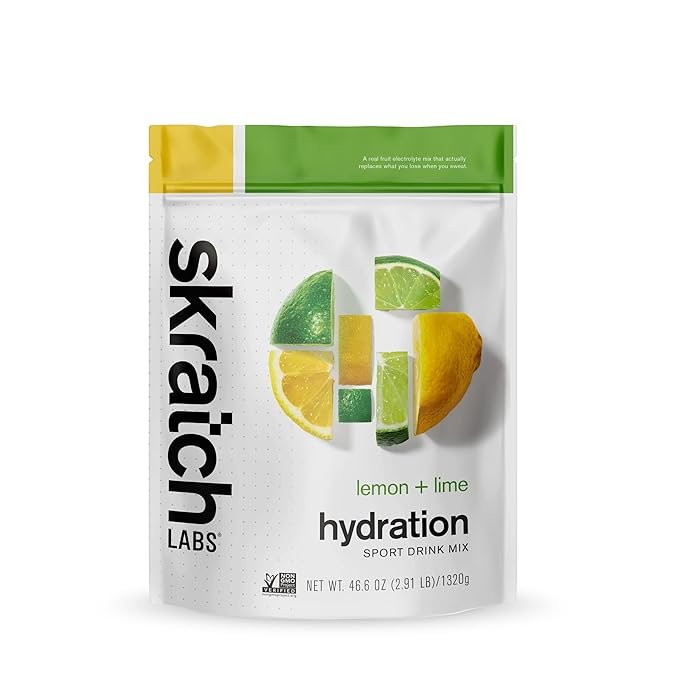
Standard commercial sports drinks (Gatorade Endurance, Skratch Labs, Maurten 160) sit in the isotonic range when mixed correctly. Diluting them too much reduces carbohydrate delivery; concentrating them moves them into hypertonic territory and risks GI distress.
Research on glucose: fructose combinations in isotonic drinks consistently shows that the mixed carbohydrate formulation improves endurance performance and reduces fatigue versus glucose-only or water controls a finding replicated across multiple independent trials in the endurance sports science literature.
For a detailed comparison of sports drinks versus electrolyte tablets, when each is appropriate, and how to combine them, see our sports drinks vs electrolyte tablets guide.
Electrolyte Tablets
Electrolyte tablets dissolve in water to replace sodium, potassium, and magnesium without adding significant calories. They’re the tool of choice for runners who want to separate hydration from energy intake using gels for carbohydrates and electrolyte water for fluid and sodium.
Key advantage over sports drinks: sodium dosing can be controlled precisely. Heavy sweaters (identifiable by white residue on skin or kit after long runs) often need more sodium than standard sports drinks provide. Electrolyte tablets allow supplementation above the sports drink baseline.
Energy Bars
Bars serve two purposes: they provide carbohydrates in solid form (easier to stomach psychologically after 2+ hours of gels), and they introduce small amounts of protein and fat that help with satiety during ultra-distance efforts where runs exceed 3–4 hours.
For marathon-distance racing, bars are typically only relevant for runners finishing in 4+ hours, where GI fatigue from liquid-only nutrition becomes a factor. For ultra running, they’re essential alternating two gels then one bar is a standard protocol.
Caffeine Gels and Caffeinated Products
Caffeine is one of the most robustly evidence-supported performance supplements in sport. At 3–6mg per kilogram of body weight, consumed 45–60 minutes before effort or at a strategic point mid-race, caffeine reduces perceived exertion, increases fat oxidation, and can meaningfully improve endurance performance particularly in the later stages of a marathon when fatigue is highest.
How to use caffeine gels strategically:
- A caffeine gel 45–60 minutes before a race start is a legitimate pre-race priming tool
- During a marathon, one caffeine gel at approximately kilometres 28–32 — when fatigue and motivation typically dip — provides a meaningful boost for the final push
- Do NOT take caffeine gels every 30–40 minutes as you would a standard gel — excessive caffeine increases heart rate and GI distress risk
Important caveats:
- If you don’t regularly consume caffeine, race day is not the time to start the physiological response is unpredictable without prior exposure
- Caffeine gels are typically 25–75mg per packet; be aware of your total intake across a race
- Test your specific product in training before relying on it in a race
Protein and Recovery Supplements
Recovery nutrition immediately post-run matters as much as mid-run fuelling across a high-mileage training week. A 3:1 or 4:1 carbohydrate-to-protein combination in the 30–60 minutes after hard sessions or long runs accelerates glycogen resynthesis and muscle protein synthesis simultaneously.
Protein powder mixed into a post-run smoothie, chocolate milk (an effective and inexpensive alternative), or a dedicated recovery drink all serve this function. Protein supplementation is most relevant for runners training 5+ days per week who struggle to consume adequate protein at main meals.
Nitrate Supplementation (Beetroot)
Beetroot juice and concentrated nitrate supplements are among the most evidence-supported ergogenic aids for endurance runners. Dietary nitrate is converted to nitric oxide in the body, which dilates blood vessels and reduces the oxygen cost of running at any given pace effectively improving running economy by 2–3% in well-controlled research.
Protocol: 400–600mg of dietary nitrate (approximately 500ml of beetroot juice or 2–3 shots of concentrated beetroot supplement), consumed 2–3 hours before racing or hard sessions, for 3–6 days before a target event.
Not all runners respond equally. Approximately 20–30% of individuals are “low responders,” but for those who do respond, the benefit is real and meaningful at race pace.
Race-Day Sports Nutrition Framework: Marathon
This is the practical integration of all the above for a 3:30–4:30 marathon the most common goal range for recreational runners following a structured training plan.
| Race stage | Km | What to take |
|---|---|---|
| Pre-race (90 min before) | — | Standard carbohydrate breakfast; water |
| Pre-race (30–60 min before) | — | Optional: caffeine gel or caffeinated product |
| Early race | 7–8km | First standard gel + 150–200ml water at next aid station |
| Mid race | 15–16km | Second gel + electrolyte drink or tablet water |
| Mid race | 23–24km | Third gel + water |
| Late race | 28–30km | Optional: caffeine gel (if not pre-race) + water |
| Late race | 35–36km | Fourth gel (or bar if stomach tolerating solids) + water |
| Finish | — | Recovery: carbohydrate + protein snack within 30–60 min |
Total in-race carbohydrate: approximately 80–100g per hour for a 4-hour marathon within the 60–90g/hour target range for runs of this duration.
For a complete race nutrition framework, including race week carb loading, dinner the night before, and race morning breakfast, see our marathon nutrition plan.
Energy Drinks vs Sports Drinks: What Runners Should Know
Standard energy drinks (Red Bull, Monster, similar) are not appropriate as mid-run sports nutrition. Their high sugar concentration (10–12% carbohydrate) places them in hypertonic territory they draw water into the gut rather than facilitating absorption, increasing GI distress risk. Their caffeine content is uncontrolled relative to body weight and not designed for sustained aerobic effort. Carbonation causes bloating.
The legitimate use of caffeine for running performance is via caffeine gels or caffeine tablets with specific dosing, not energy drinks consumed mid-run.
What to Test in Training Before Race Day
The non-negotiable rule of sports nutrition: nothing new on race day. Every product, brand, flavour, and timing protocol must be tested in long training runs at race pace. The gut adapts to absorbing carbohydrates during running, and that adaptation comes from consistent practice.
Test specifically:
- Your target gel brand and flavour (stomach response varies dramatically between brands)
- The timing of your first gel
- Caffeine tolerance at race intensity, if you plan to use caffeinated gels
- Gel plus water vs gel plus sports drink combination (some runners find mixing causes nausea)
- Total hourly carbohydrate intake at race pace
Our what to eat before a long run guide covers pre-session nutrition, which sets the baseline that mid-run fuelling builds on.