
We’re here to help you choose the best Nike running shoes.
Nike’s running lineup is dominated by ZoomX foam and ReactX technology. The Vomero Plus is the best for maximum cushioning, while the Alphafly 3 remains the top choice for marathon racing. For daily training, the Pegasus 41 offers the best balance of durability and price.
If you’re gearing up for a marathon or just about to start running as a beginner, Nike presents all those types of shoes to make it easier.
Nike Running Shoe Comparison: At a Glance
| Shoe Model | Best For | Key Technology | Heel Drop |
| Vomero Plus | Max Cushion / Recovery | Full ZoomX Midsole | 10 mm |
| Vaporfly 4 | 10k & Half Marathon | Carbon FlyPlate | 6 mm |
| Structure 26 | Stability / Support | ReactX Foam | 10 mm |
| Alphafly 3 | Marathon Racing | Dual Air Zoom Pods | 8 mm |
| Pegasus 41 | Daily Training | ReactX + Air Zoom | 10 mm |
| Vomero Premium | Extreme Softness | Ultra-Plush ZoomX | 10 mm |
Let’s jump into the pick collection of Nike running shoes:
Best Nike Running Shoes
Related: Best Brooks Running Shoes
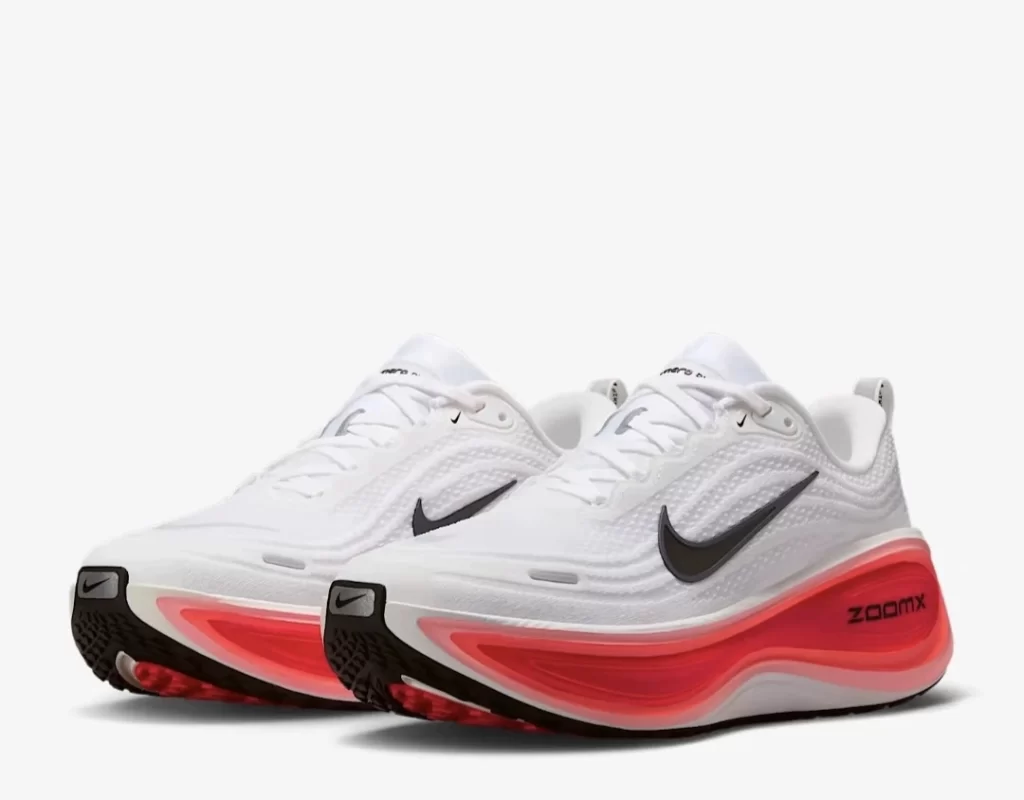
Best Overall – Nike Vomero Plus
Pros
Cons
Overview
The Nike Vomero Plus is a max-cushion daily trainer built for comfort and long-term durability. It delivers excellent shock absorption, with some of the highest cushioning numbers Nike has ever produced. The shoe features a full-length ZoomX midsole, providing soft landings and strong energy return, although it doesn’t reach the bounce levels of supershoes.
The stack height is very high in both the heel and forefoot, making it ideal for heel strikers and midfoot/forefoot runners who require maximum protection on long or fatigued days. The rocker is mild, giving the shoe a more traditional ride.
Fit-wise, the Vomero Plus has a snug, classic Nike feel with a tight toebox, so it may not suit runners with wide feet. The upper is very padded and cozy but not very breathable, which may feel warm in hot weather.
Durability is one of its strongest points. The toebox, heel padding, and outsole all performed above average in lab testing. The outsole has full rubber coverage, which adds grip and longevity but also increases weight. At around 10.2 oz (289 g), the shoe is heavier than many modern high-stack trainers.
The shoe is also extremely stiff, more than some carbon-plated models, yet still stable thanks to wide midsole geometry and tall sidewalls. It includes a thick, plush tongue but lacks a gusset, which is surprising for the price.
Overall, the Nike Vomero Plus is a premium, highly cushioned, protective trainer, best for easy runs, long miles, and recovery days—though runners wanting a lighter, more breathable, or wider shoe may prefer other options.
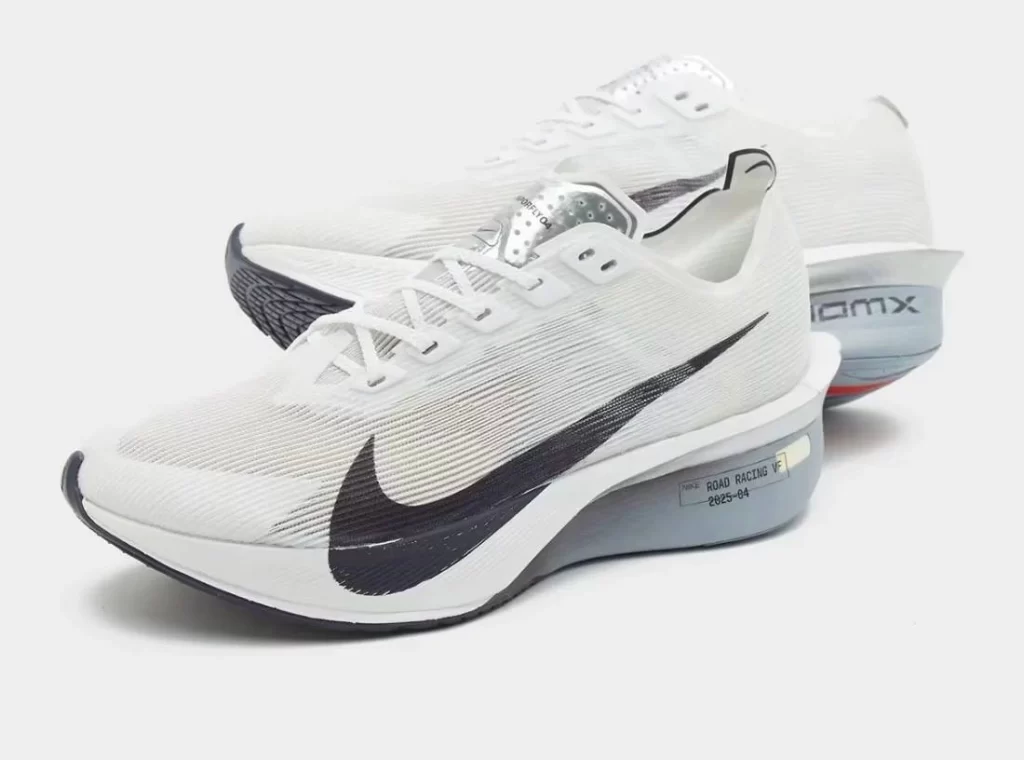
Best for 10k & HM Races – Nike Vaporfly 4
Pros
Cons
Overview
This super-light shoe packs tons of energy and stays comfy the whole way. During our runs, the Vaporfly 4 felt fast and effortless, with its breathable design keeping our feet cool.
Racing is never easy, but the V4 makes it more enjoyable. It has a soft but stable feel that works well for long distances. The cushioning isn’t overly thick but still suits all types of runners. The ZoomX foam feels bouncy without being mushy, and in our tests, it turned out to be 5.2% softer than average.
Pushing off feels smooth and quick, thanks to the carbon-fiber plate shaped like a spoon inside the midsole. It helps us keep a strong pace and go for new personal bests. In our flex test, the shoe was 14.6% stiffer than average, giving us that extra push.
On foot, the V4 feels incredibly light—just 5.6 oz (166g)—much lighter than the average super shoe, which is around 7.3 oz (208g). The upper is also highly breathable, earning a 4 out of 5 on our ventilation test, which helps prevent overheating.
The downside? It’s pricey at $260. It’s a great performance shoe, but budget-conscious runners might want to look at more affordable options.
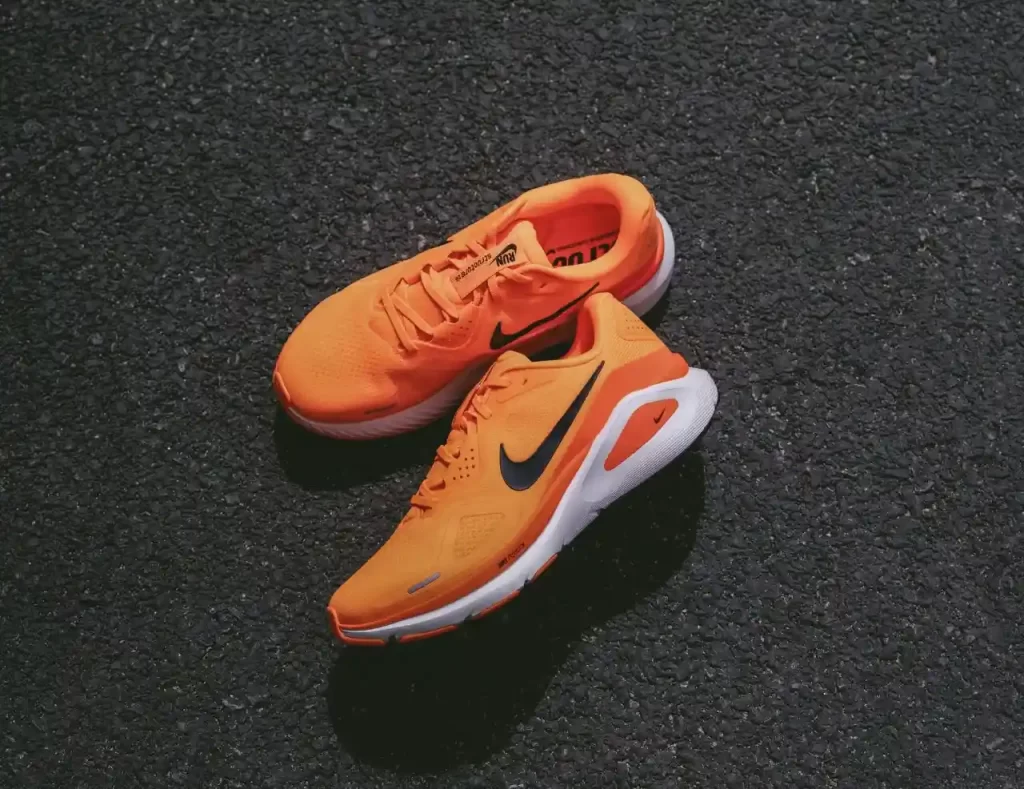
Best For Stability – Nike Structure 26
Pros
Cons
Overview
The Nike Structure 26 receives a full refresh, delivering a smoother and more stable ride. The new full-length ReactX midsole provides the shoe with improved energy return and a softer feel under the heel, making it a strong choice for heel strikers and everyday runners. The upper is plush and comfortable for both running and walking, and the shoe proved very durable in multiple lab tests.
This model sticks to a classic stability-shoe design—steady, predictable, and supportive. It isn’t meant to feel fast or exciting, but it does its job well: offering a reliable, cushioned ride with solid support. Breathability and weight are still weak points, and forefoot strikers may want more cushioning up front, but overall, the Structure 26 is a dependable daily trainer that shines in comfort and long-term durability.
The fit leans slightly snug, especially in the toebox, which matches Nike’s traditional shape. This helps create a secure, locked-in feel for stability, but runners who prefer extra toe room may find it a bit tight. The thick, padded tongue and heel add to the comfort but reduce airflow, making the shoe warmer during summer runs.
At 10.4 oz (296 g), the Structure 26 is heavier than many modern stability trainers. This won’t bother runners who prioritize support, easy miles, or walking, but those looking for a light, fast-feeling shoe might want a different option. Still, the Structure 26 stands out as a trustworthy, long-lasting stability shoe perfect for runners who want everyday comfort with dependable support.
Best for Marathon – Nike Alphafly 3
Pros
Cons
Overview
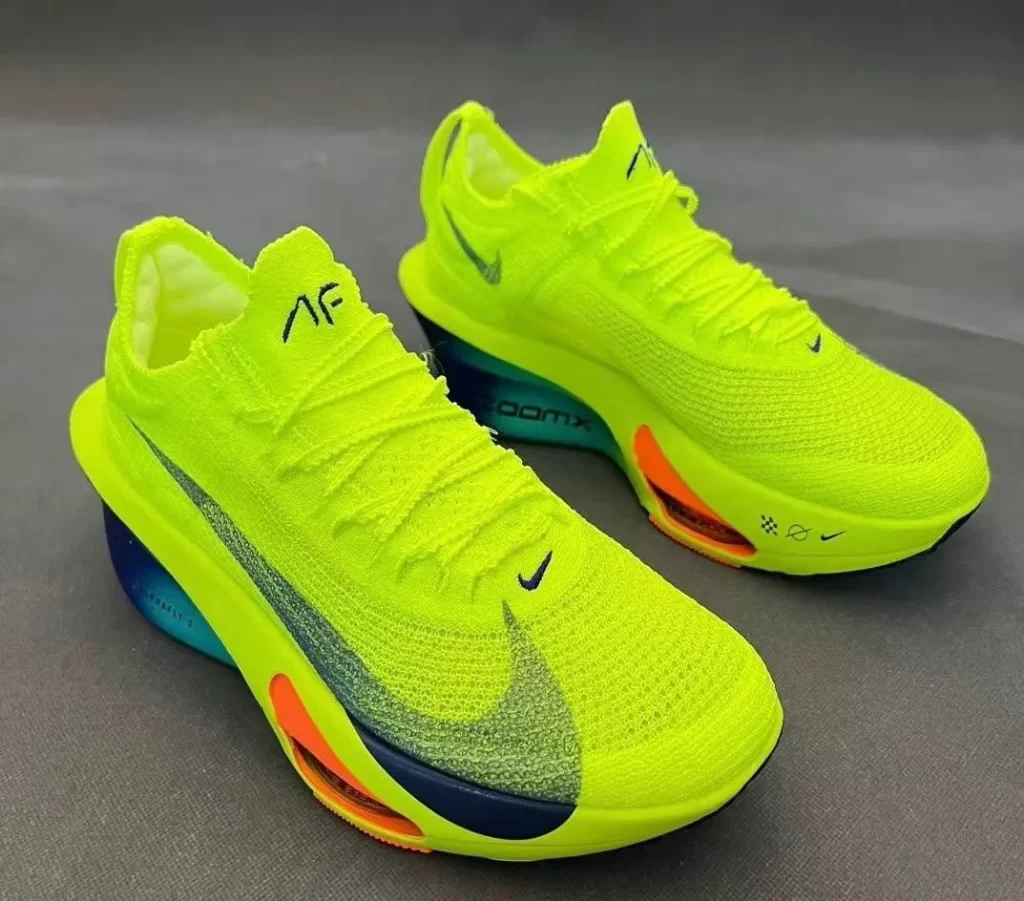
With unbeatable energy return, great comfort, and impressive stability, this racing shoe helped us hit faster paces than we thought possible. It shines over long distances, keeping performance consistent the whole way.
Every stride feels like we’re flying forward. The stiff FlyPlate in the midsole helps maintain a strong pace, while the Air Pods give a powerful energy boost, once activated properly. The Alphafly 3 was 89.3% stiffer than average, giving it that race-ready edge for setting new personal bests.
The ZoomX foam feels both soft and springy. It uses two layers of foam for a smooth, balanced ride—one firm (29.3 HA) for stability and one soft (18.1 HA) for comfort. The wide base and midsole sidewalls also help with stable landings.
Even with all that cushioning, the Alphafly 3 feels surprisingly light. It weighs just 7.1 oz (201g), which is 6.1% lighter than most racing shoes. The Atomknit upper adds to the light, airy feel and is perfect for breathability, keeping feet cool even on long runs.
Like many race-day shoes, the outsole focuses on grip, not durability. Heel strikers should be aware that the back part might wear down faster.
Best for Daily Training – Nike Pegasus 41
Pros
Cons
Overview
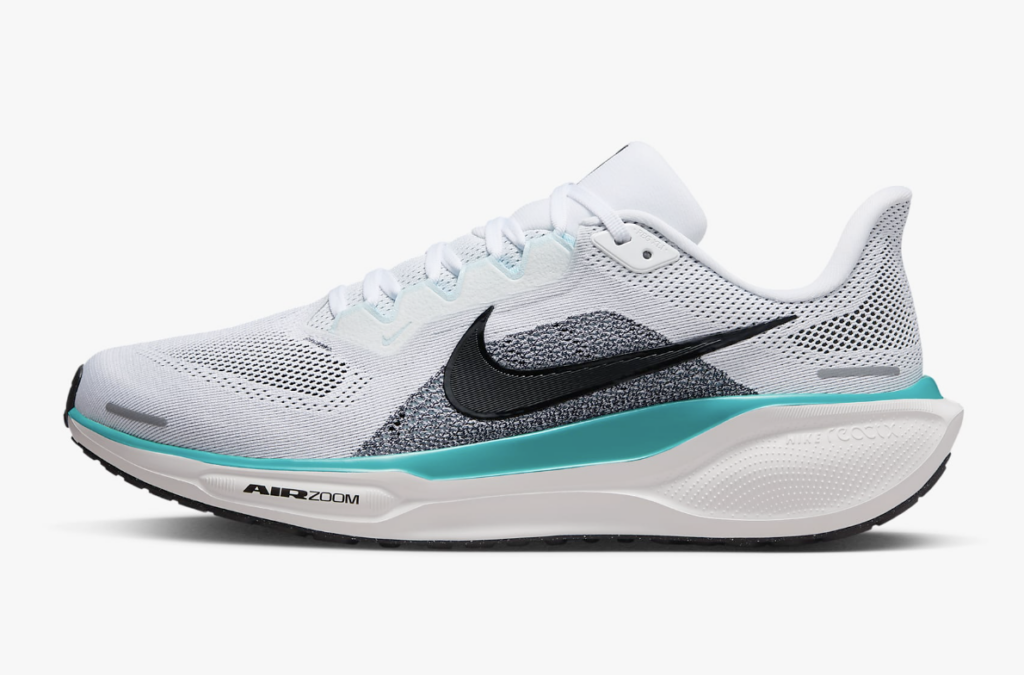
Over the years, the world and the running industry have seen significant changes, particularly in shoe technology. Nike has consistently kept pace with evolving trends. While the Pegasus may not always steal the spotlight as the flashiest shoe on the market, it consistently delivers reliable performance.
In recent years, updates to the Pegasus have been subtle yet purposeful. Models 37 through 40 featured a React midsole, the same lively and responsive foam that debuted in the iconic Epic React. Nike experimented with the Air Zoom units’ placement and pressure (PSI)—sometimes positioned in the heel, in the forefoot, and occasionally in both. However, the Pegasus has largely maintained its identity as a dependable workhorse.
The latest iteration introduces Nike’s newest foam innovation—ReactX. Softer and more responsive than traditional React, ReactX first appeared in the InfinityRN 4 last year and has since been incorporated into other models, including the Pegasus Trail 5. According to Nike, ReactX delivers over 13% more energy return than its predecessor while reducing the midsole’s carbon footprint by at least 43%.
Best for Cushioning – Nike Vomero Premium
Pros
Cons
Overview
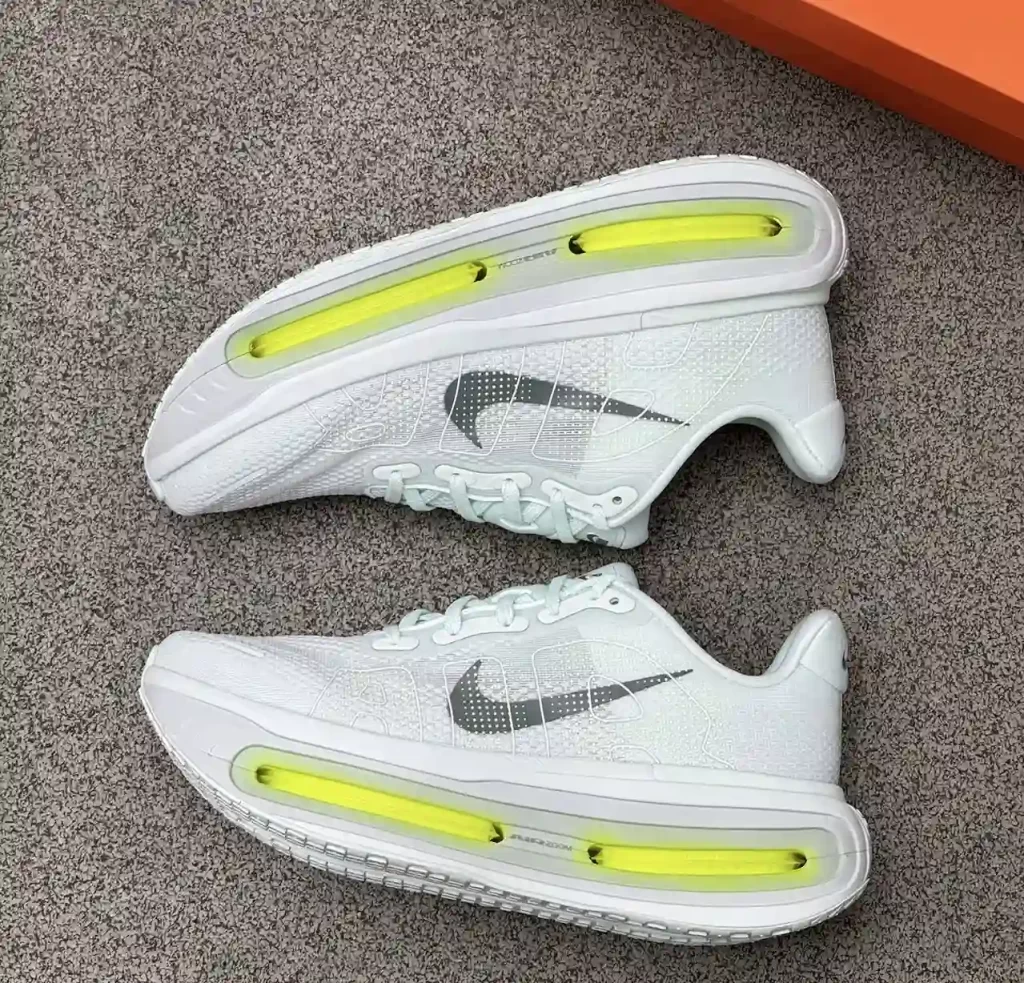
The Nike Vomero Premium is one of the most extreme shoes Nike has ever released. With a massive stack height and ultra-plush ZoomX foam, it delivers incredible shock absorption that ranks among the best we’ve ever tested. The cushioning feels soft, protective, and almost unreal underfoot. But all this comfort comes with a trade-off—the shoe is bulky, heavy, and slow, making it best for easy, relaxed running days rather than anything fast.
Even though Nike marketed it as offering an “Alter G” anti-gravity feel, our testing showed it doesn’t quite reach that level. It’s extremely cushioned, but not as springy or energetic as expected. The design focuses on comfort, not speed, and the giant midsole makes the ride feel steady rather than lively. Still, for runners who want maximum softness, premium materials, and a shoe that feels like it came from the future, the Vomero Premium absolutely delivers the vibe.
The fit is plush from heel to toe, with a cozy upper and lots of padding. But the tapered toebox may feel tight for runners who need extra toe space. Despite its huge size, the shoe is surprisingly stable for heel strikers thanks to its wide base and firm heel support. The grip is also better than expected, making it reliable on both dry and slightly wet roads.
However, the weight and price will be deal-breakers for many runners. At over 11 ounces, it feels very heavy underfoot, and the premium price tag puts it firmly into luxury territory. It’s not built for speedwork, tempo runs, or any style of performance training. Instead, the Vomero Premium is meant for runners who want maximum cushioning, strong durability, and a soft, protective ride for slow miles and recovery days.
FAQ
Which Nike running shoe has the most cushioning?
The Nike Vomero Plus is currently the max-cushion leader in Nike’s lineup. It features a high-stack, full-length ZoomX midsole designed specifically for maximum shock absorption on recovery days and long, slow distance (LSD) runs.
What is the difference between Nike ZoomX and ReactX foam?
ZoomX is Nike’s lightest and most responsive foam, optimized for energy return and speed (found in the Alphafly and Vaporfly). ReactX is a more durable, eco-friendly foam that offers 13% more energy return than the original React while significantly reducing the shoe’s carbon footprint.
Are Nike running shoes true to size?
Most Nike running models, including the Pegasus 41 and Vomero Plus, fit true to size but lean toward a snug, athletic fit. If you have wider feet, you may want to size up by a half-step or look for “Extra Wide” versions of the Pegasus or Structure lines.
How often should I replace my Nike running shoes?
For daily trainers like the Structure 26 or Pegasus 41, we recommend replacing them every 300 to 500 miles (500–800 km). Elite racing shoes like the Alphafly 3 have a shorter lifespan and typically lose their peak “pop” after 150–200 miles.