
Curated by Esen Bay, competitive runner (PRs: 5K–marathon). Recommendations based on published specs, independent lab data from RunRepeat and WearTesters, and verified runner feedback.
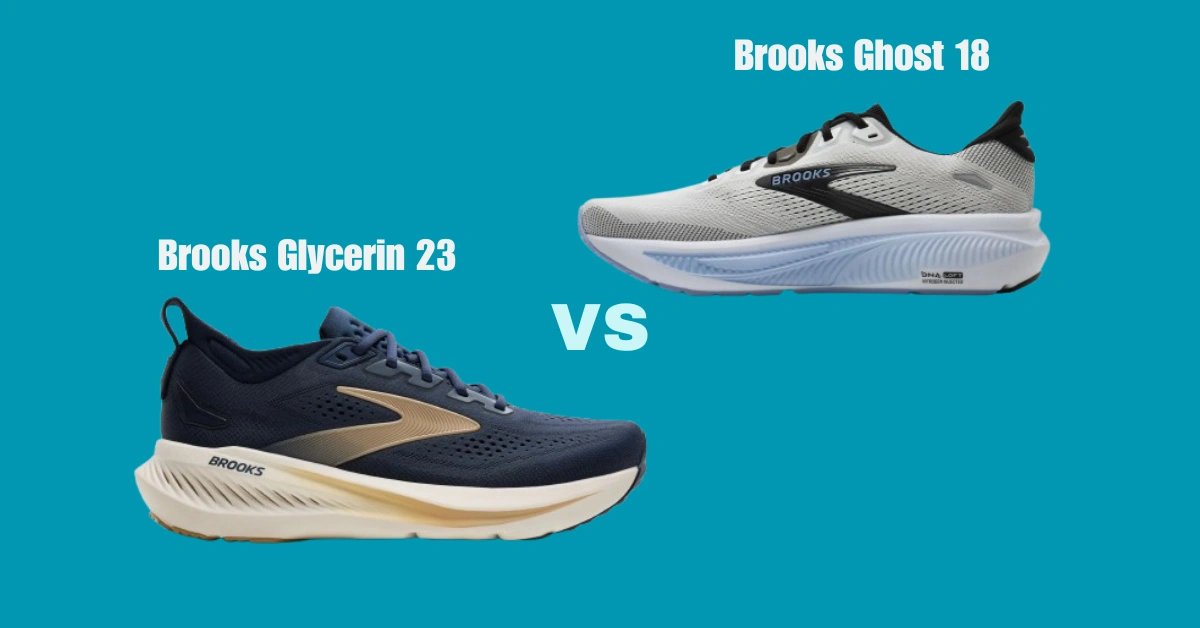
The best Brooks running shoe for most runners in 2026 is the Glycerin 23. It’s the brand’s flagship neutral daily trainer, updated this year with more forefoot cushion, a lower 8mm drop, and a premium triple-jacquard upper. For overpronators, the Adrenaline GTS 25 remains the most trusted stability shoe in the category. And for race day, the Hyperion Elite 5 is Brooks’ first legitimate carbon super shoe, finally competitive with Nike and Adidas at the top of the market.
Six picks below, covering the full Brooks lineup from budget to elite. Each is grounded in published specs, independent lab measurements, and runner feedback, with honest trade-offs on every shoe.
How We Selected These Shoes
Each shoe in this roundup was chosen based on published specs verified against Brooks’ official product pages, independent lab measurements from RunRepeat and WearTesters (used where Brooks’ stated figures differed from real-world results), runner feedback from structured running communities, and value relative to price tier. Shoes were not personally tested by the author for this roundup. Where independent data or runner consensus strongly contradicts manufacturer claims, that is noted in the review.
Brooks Running Shoe Comparison: At a Glance
| Shoe | Best For | Foam | Drop | Buy |
|---|---|---|---|---|
| Glycerin 23 | Daily training / neutral | DNA Tuned (nitrogen) | 8 mm | Amazon / At Brooks |
| Adrenaline GTS 25 | Stability / overpronation | DNA Loft v3 + GuideRails | 10 mm | Men’s / Women’s |
| Hyperion Elite 5 | Marathon / race day | DNA Gold (PEBA) + carbon | 8 mm | Unisex |
| Hyperion Max 3 | Long runs / super trainer | DNA Gold (max stack) + nylon plate | 6 mm | Men’s / Women’s |
| Cascadia 19 | Trail / all-terrain | DNA Loft v3 + Trail Adapt | 6 mm | Men’s / Women’s |
| Revel 8 | Budget / beginner | DNA Loft v2 | 8 mm | Men’s / Women’s |
Related: Best Nike Running Shoes
Looking for shoes across all brands? See our full Running Gear hub →.
Best Brooks Running Shoes
1
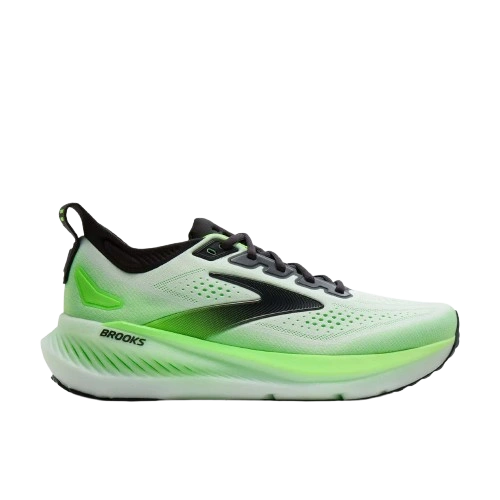
Best Overall — Brooks Glycerin 23
Pros
Cons
What the Data Shows
The Glycerin 23, released February 2026, is a refined version of the Glycerin 22 rather than a reinvention. The DNA Tuned midsole carries over — a dual-density nitrogen foam with larger cells in the heel for soft landings and smaller cells in the forefoot for a firmer, more responsive push-off. Brooks added 2mm of forefoot cushioning for the 23, which reduces the drop from 10mm to 8mm and shifts the geometry toward a more balanced, natural ride. RunRepeat lab testing records 140 SA shock absorption in the heel — among the best in the neutral daily trainer category.
The biggest upgrade is the upper. The triple-jacquard knit is visibly more premium than the Glycerin 22’s double-jacquard, and the toebox height has been increased by over 4mm, addressing one of the most persistent complaints about the 22. The wider heel platform (98.6mm, up from 89.7mm) also adds meaningful stability for heel strikers.
The honest limitation: energy return stays below average for this price tier. Runners expecting bounce similar to the ASICS Novablast or New Balance Fresh Foam 1080 will be disappointed. The Glycerin is a comfort-first, protection-first shoe — not a shoe that returns energy. For daily training miles where the goal is to protect your legs and feel good at the end, it does that very well.
Best for: daily training, long slow distance, heel strikers, high-mileage runners who prioritize cushion over snap, runners needing wide sizing. Not for: speedwork, tempo runs, runners wanting a lightweight or bouncy ride.
2
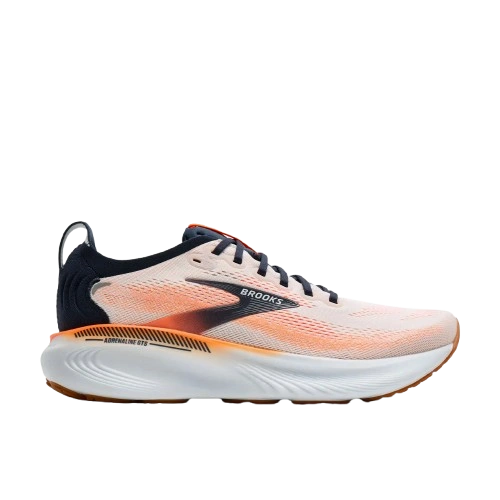
Best for Stability — Brooks Adrenaline GTS 25
Pros
Cons
What the Data Shows
The Adrenaline GTS 25 is one of the best-selling stability running shoes in the world, and version 25 makes the most meaningful update in several generations — dropping from a 12mm to a 10mm heel-to-toe drop for the first time in the series’ history. This change, combined with a redesigned heel bevel, produces the smoothest rearfoot transition the Adrenaline has ever offered. The GuideRails system works differently from a traditional medial post: instead of blocking inward roll, it provides foam support on both the medial and lateral sides, allowing natural motion while preventing excessive deviation. Doctors of Running describe it as “adaptive stability” — noticeable when you need it, invisible when you don’t.
Lab data shows shock absorption at 138 SA in the heel — somewhat average but improved from GTS 24. The DNA Loft v3 foam is softer than previous versions, making longer miles more comfortable. The traction improvement is significant and practical: the redesigned outsole performs reliably on both dry and wet road surfaces.
The GTS 25 isn’t going to win any speed or energy return comparisons. It’s a workhorse stability trainer — dependable, protective, and durable. For runners with mild-to-moderate overpronation who want a shoe that stays consistent from mile 1 to mile 18, it remains one of the best options in any brand.
Best for: mild to moderate overpronators, heel strikers, daily training and walking, runners who want reliable support over long mileage. Not for: forefoot strikers, runners wanting a lightweight or responsive ride, Achilles-sensitive runners.
3
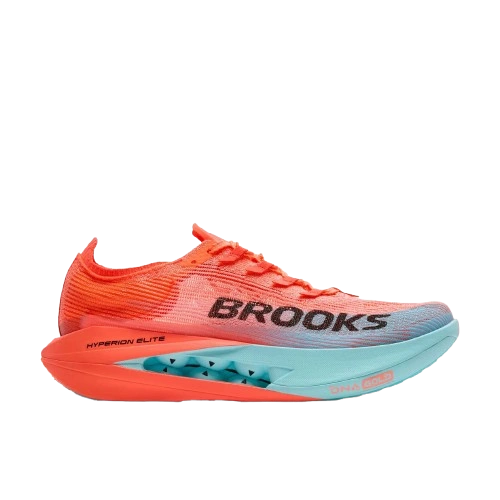
Best for Racing — Brooks Hyperion Elite 5
Pros
Cons
What the Data Shows
The Hyperion Elite 5, released July 2025, is the shoe that finally brought Brooks into the genuine super shoe conversation. The critical shift was adopting DNA Gold — a 100% PEBA nitrogen-infused foam, the same material class that powers Nike’s ZoomX and Adidas’s Lightstrike Pro. Previous Hyperion Elite versions used nitrogen-infused EVA-based foams, which deliver less energy return meaningfully. With PEBA, the Hyperion Elite 5 achieves energy return figures that reviewers at Believe in the Run and Doctors of Running describe as legitimately competitive with Nike Vaporfly-tier performance.
The carbon SpeedVault plate delivers propulsion that is noticeable and consistent. The rocker geometry is tuned to work across a wider range of footstrikes than some competitors — the heel-striker friendliness in particular is a design priority that Brooks has maintained, making it more accessible than pure midfoot/forefoot-optimized super shoes.
One important note: the Hyperion Elite 6 is confirmed for August 2026. If you’re not racing before late summer, it may be worth waiting. If you race, then the Elite 5 is a fully capable, current-generation super shoe.
For runners following a structured marathon plan, race only in these shoes — use the Hyperion Max 3 for your harder training days. See our marathon training plans → for how to structure the build.
Best for: 5K through marathon racing, experienced runners chasing PBs, runners transitioning from Nike or Adidas super shoes. Not for: daily training, recovery runs, budget-conscious runners, slower paces where the platform feels unstable.
4
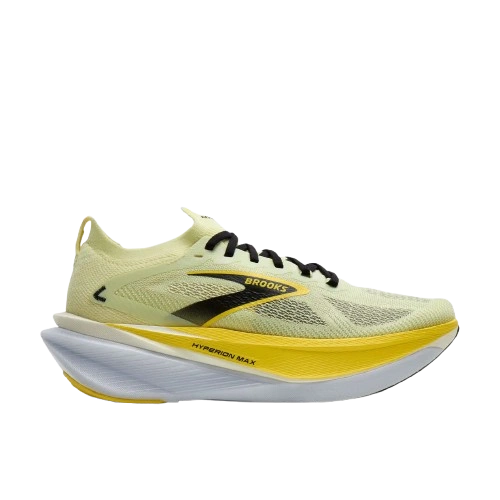
Best Super Trainer — Brooks Hyperion Max 3
Pros
Cons
What the Data Shows
The Hyperion Max 3 is what happens when Brooks takes its racing foam (DNA Gold / PEBA) and puts it into a high-volume, protective trainer package. The result is a shoe with genuine energy return — meaningfully more bounce than the Glycerin 23, inside a 42mm stack that absorbs impact across long miles. The nylon plate and aggressive rocker geometry replicate race mechanics in training, making it a natural pairing with the Hyperion Elite 5 on race day.
The role of this shoe in a training rotation is clear: it’s the shoe for your long runs and uptempo miles during a marathon or half-marathon build. The DNA Gold foam returns energy that keeps legs feeling fresher later into long efforts something DNA Loft v3-based shoes don’t offer to the same degree. The trade-off is weight: at 9.9 oz, it’s noticeably heavier than competitors like the Hoka Mach X2 or New Balance SC Trainer.
For high-mileage training blocks, the Hyperion Max 3 pairs naturally with the Glycerin 23 (easy days) and Adrenaline GTS 25 (if you overpronate). See our half marathon training plans → and marathon training plans → for how to structure shoe rotation across a training block.
Best for: long runs, tempo/marathon-pace training, runners building toward a race who want DNA Gold performance at training durability, runners transitioning from Hoka Mach X or ASICS Superblast. Not for: track intervals, easy recovery runs, budget shoppers, warm-weather running.
5
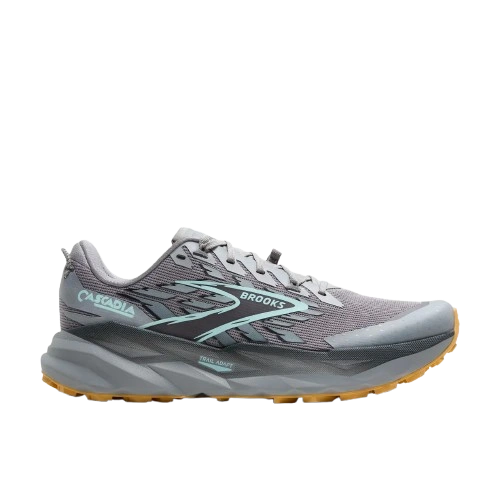
Best for Trail — Brooks Cascadia 19
Pros
Cons
What the Data Shows
The Cascadia 19, released August 2025, represents a meaningful upgrade for the series. The switch to DNA Loft v3 nitrogen foam makes it noticeably softer and more energetic underfoot than the Cascadia 18, the series’s most consistent criticism (“dead foam”) is genuinely addressed here. The Trail Adapt System integrates the midsole, rock plate, and outsole into a coordinated protection system that flexes with uneven terrain while blocking sharp objects underfoot.
Reviewer consensus across RunRepeat and iRunFar is consistent: the Cascadia 19 is a reliable, protective all-terrain workhorse excellent for technical trails, long-distance hikes, and rugged mountain runs where stability and durability matter more than pace. The narrow toebox remains a limitation for runners with wider feet, and the weight keeps it out of contention for fast trail racing.
Important: the Cascadia 20 is expected to release around July 2026. If you’re buying a trail shoe for a race later in the year, it may be worth waiting. The Cascadia 19 at $140 remains a strong buy if you need it now.
Best for: technical trail running, ultra distances, trail runners prioritizing protection and durability, and beginners to trail running. Not for: fast trail racing, runners wanting a lightweight trail shoe, or wide-footed runners.
6
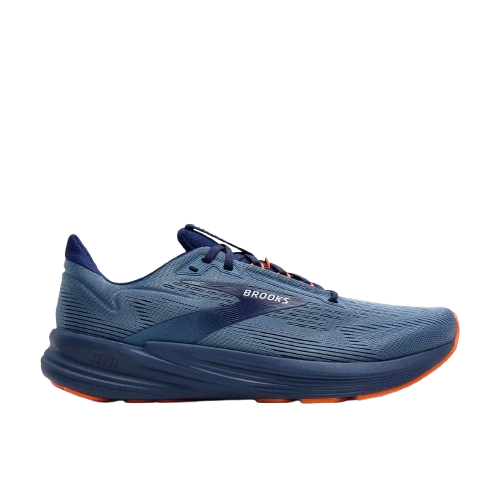
Best Budget — Brooks Revel 8
Pros
Cons
What the Data Shows
The Revel 8 is Brooks’ honest entry-level option: a straightforward, durably-built running shoe at $100. The DNA Loft v2 foam is softer and more modern than the BioMoGo DNA of earlier Revels, but it doesn’t pretend to be anything more than a comfortable, predictable base. Energy return is low by 2026 standards. This is a shoe that absorbs, not returns.
Where it earns its place: versatility. Beginners who aren’t sure how much they’ll run, gym members who want a shoe that works on the treadmill and for lifting, and casual runners covering 15–20 miles a week don’t need a $160 Glycerin 23. The Revel 8 handles those use cases capably at a price that doesn’t require commitment. Durability consistently exceeds expectations for the price.
Best for: beginners, casual runners (under 25 miles/week), gym and treadmill use, budget-conscious buyers, runners wanting a walking shoe from a running brand. Not for: long distances (15+ miles), forefoot strikers, runners who want cushion or energy return.
Verdict Box
| Your Goal | Best Brooks Shoe |
|---|---|
| Best all-around daily trainer | Glycerin 23 |
| Stability / overpronation | Adrenaline GTS 25 |
| Trail running | Cascadia 19 |
| Speed training / super trainer | Hyperion Max 3 |
| Marathon / race day | Hyperion Elite 5 |
| Budget / beginner | Revel 8 |
Our pick for most runners: the Glycerin 23. It’s comfortable, durable, handles everything from easy jogs to long runs, and the DNA Tuned foam is the most refined Brooks has produced in the neutral trainer category. For overpronators, the Adrenaline GTS 25 at $155 is equally strong — one of the most trusted stability shoes in running.
Ready to Start Training?
Training plans are designed and reviewed by Ilya Tyapkin, Rio 2016 Olympian. Find the plan that matches your goal:
FAQ
What is the best Brooks running shoe for beginners?
The Glycerin 23 is the best starting point for most beginners, it’s protective, forgiving across foot strike types, and built to last. If budget is a constraint, the Revel 8 handles short-to-medium runs capably. Beginners who know they overpronate should go straight to the Adrenaline GTS 25.
What is the difference between the Glycerin 23 and Adrenaline GTS 25?
The Glycerin 23 is a neutral shoe — no stability features, optimized for cushion and comfort. The Adrenaline GTS 25 adds Brooks’ GuideRails system, which provides medial and lateral support to reduce excessive inward or outward roll. If your feet and knees track straight naturally, choose the Glycerin. If you overpronate, choose the Adrenaline.
Is the Brooks Hyperion Elite 5 worth it?
Yes, if you’re racing. The Hyperion Elite 5 uses DNA Gold (PEBA) foam — the same material class as Nike ZoomX and Adidas Lightstrike Pro — and a full carbon plate. It’s genuinely competitive with super shoes from Nike and Adidas in the $250 range. If you’re not racing before August 2026, the Hyperion Elite 6 is coming — it may be worth waiting.
What is Brooks’ DNA Tuned foam?
DNA Tuned is Brooks’ dual-density nitrogen-infused foam, used in the Glycerin 23. Larger foam cells sit in the heel for a softer landing; smaller cells sit in the forefoot for a firmer, more responsive push-off. It’s an evolution of DNA Loft v3, tuned for a more balanced ride without requiring two separate foam layers.
How long do Brooks running shoes last?
Daily trainers like the Glycerin 23 and Adrenaline GTS 25 typically last 300–500 miles. The Cascadia 19’s trail outsole is designed for similar mileage on mixed terrain. The Hyperion Elite 5 racing shoe has a shorter useful life — expect 150–200 race or workout miles before the PEBA foam loses peak bounce. The Revel 8 often surprises with durability beyond its price point.
Are Brooks running shoes true to size?
Generally yes. Brooks tends to fit true to size with a slightly roomy feel compared to Nike’s narrower lasts. The Glycerin 23 and Adrenaline GTS 25 are both available in wide sizing (up to 2E for men, D for women). The Cascadia 19 runs narrow in the toebox — wide-footed trail runners may want to consider a wider option or size up.