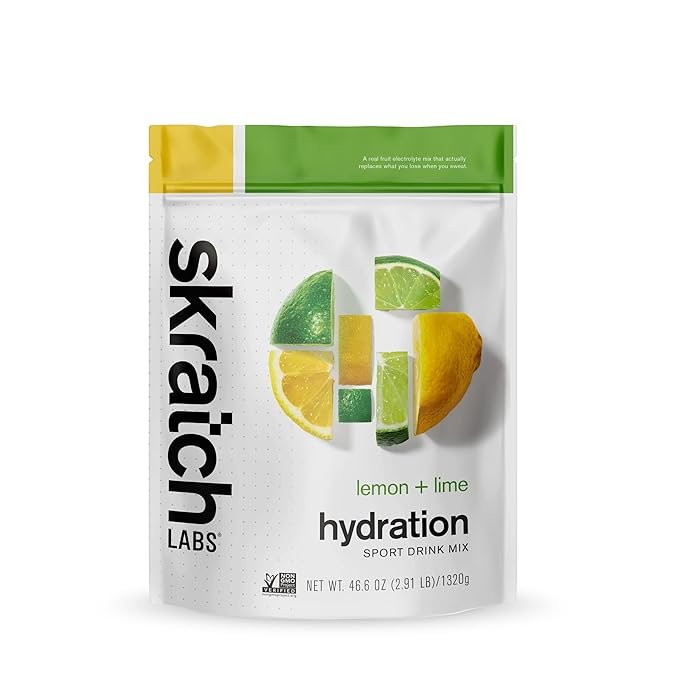

For runs under 75 minutes in cool conditions, water or an electrolyte tablet is enough. For runs over 90 minutes, especially in the heat, sports drinks give you electrolytes and carbohydrates in one bottle, which simplifies fuelling. Electrolyte tablets dissolve into plain water, carry minimal calories, and work best when you’re sourcing your energy separately from gels or solid food. Most experienced distance runners use both depending on conditions and run length, rather than picking one permanently. The decision isn’t which product is better, it’s which tool matches what your body needs on a given day.
Before we go further, our running hydration guide covers the underlying science of fluid loss and performance, which is worth reading alongside this comparison.
- What Are Electrolytes and Why Do Runners Need Them?
- Sports Drinks: What They Are and When They Work
- Electrolyte Tablets: What They Are and When They Work
- Side-by-Side Comparison
- Which One Is Right for Your Run Length?
- How to Use Each Effectively
- What About Making Your Own Electrolyte Drink?
- Frequently Asked Questions
What Are Electrolytes and Why Do Runners Need Them?

Electrolytes are minerals that carry an electrical charge and regulate nerve impulses, muscle contraction, and fluid balance across cell membranes. When you sweat, you don’t just lose water — you lose electrolytes, primarily sodium, alongside smaller amounts of potassium, magnesium, and calcium.
The four that matter most for runners:
Sodium — The primary electrolyte lost in sweat. Sodium drives fluid retention and helps move water into cells. It’s the most important electrolyte for endurance performance and the one in shortest supply in plain water. Runners who hydrate with water alone on long runs risk diluting their blood sodium — a condition called hyponatraemia — which causes nausea, confusion, and in severe cases is dangerous.
Potassium — Works alongside sodium to regulate muscle function, including the heart. Potassium loss in sweat is lower than that of sodium, but it contributes to muscle cramping when depleted across long efforts.
Magnesium — Involved in over 300 enzymatic processes, including energy metabolism and muscle relaxation. Low magnesium is associated with increased cramping and fatigue in endurance athletes.
Calcium — Required for muscle contraction. Calcium loss in sweat is relatively low but becomes relevant across multi-hour efforts.
The central point: neither water nor carbohydrates replaces electrolytes. They require a separate source, which is exactly what both sports drinks and electrolyte tablets provide.
Sports Drinks: What They Are and When They Work
Sports drinks are pre-formulated liquids containing water, carbohydrates (typically 6–8% concentration, or 14–20g per 250ml), and electrolytes — primarily sodium and potassium. Some also include magnesium and small amounts of calcium. Higher-end products like Maurten and Skratch Labs use more sophisticated carbohydrate blends designed to reduce GI stress at higher intake rates.
The 6–8% carbohydrate concentration is deliberate. Research shows this range is the optimal window for gastric emptying it exists the stomach quickly enough to deliver energy without causing the bloating or nausea associated with more concentrated drinks. Diluting a sports drink too much reduces the carbohydrate benefit; concentrating it too much slows absorption and increases GI risk.
When Sports Drinks Are the Better Choice
- Runs over 90 minutes, where you need simultaneous carbohydrate and electrolyte replacement
- Hot or humid conditions with higher sweat rates and sodium loss
- Runners who prefer all-in-one fuelling and want to manage fewer products during a race
- Runners with appetite suppression during long efforts who struggle to eat solid food or gels
Limitations of Sports Drinks
- Higher calorie load — not ideal if you’re managing total energy intake on shorter runs
- Can cause GI distress if too concentrated or consumed too quickly
- Less portable than tablets — requires carrying a bottle or relying on an aid station provision
- Sugar content is a genuine consideration for runners with sensitive digestive systems
For specific product recommendations at different price points, see the Gear We Recommend page.
Electrolyte Tablets: What They Are and When They Work
Electrolyte tablets dissolve in water and deliver a targeted electrolyte dose typically sodium, potassium, and magnesium, with little or no carbohydrates and minimal calories. This separation of hydration and fuelling gives runners more precise control over what they’re taking in at any point in a run.
Sweat composition varies significantly between individuals. Some runners are “salty sweaters” who lose substantially more sodium per hour than others, visible as white residue on skin or kit after long efforts. Electrolyte tablets allow these athletes to increase sodium intake independently of carbohydrate intake, which a standard sports drink doesn’t permit without also increasing calorie consumption.
When Electrolyte Tablets Are the Better Choice
- Runs of 60–90 minutes in moderate conditions where carbohydrate replacement isn’t critical
- Runners who fuel separately with gels, chews, or real food and want hydration independent of energy intake
- Runners with sensitive stomachs who don’t tolerate sugary drinks at running intensity
- Hot-weather shorter efforts where sweat replacement is the priority, but calorie intake isn’t
- Daily training where calorie management matters, but electrolyte replenishment is still needed
Limitations of Electrolyte Tablets
- Provide no carbohydrates — require a separate fuelling strategy for runs over 75–90 minutes
- Some brands contain artificial sweeteners that cause GI issues in sensitive runners
- Require pre-mixing in water — can’t be taken dry mid-run without a water source
Side-by-Side Comparison
| Feature | Sports Drinks | Electrolyte Tablets |
|---|---|---|
| Electrolyte replacement | Yes | Yes |
| Carbohydrates for energy | Yes (14–20g per 250ml) | None or trace |
| Calorie content | Moderate (60–100 kcal per 500ml) | Low (0–20 kcal per tablet) |
| Optimal carb concentration | 6–8% for gastric emptying | Not applicable |
| Portability | Requires bottle or aid stations | Compact — fits in a pocket |
| Gut tolerance | Varies — can cause distress if concentrated | Generally gentler |
| Fuelling strategy | All-in-one | Hydration only — fuel separately |
| Best run duration | 90 minutes and above | 60–90 minutes or as a supplement |
| Cost per serving | Higher | Lower |
Which One Is Right for Your Run Length?
Under 60 minutes: Plain water is sufficient in most conditions. An electrolyte tablet can help in heat or if you’re a heavy sweater, but it’s rarely essential.
60–90 minutes: An electrolyte tablet dissolved in water is usually the right call if you need electrolytes, but not necessarily a significant carbohydrate load from your drink. Pair with a gel or a banana if the run is at the higher end of this range.
90 minutes to 3 hours: This is the clearest use case for sports drinks, or a combination approach: electrolyte tablet in water plus gels at regular intervals. If you’re following a structured marathon training plan and running long runs in this window, this is where your hydration strategy needs to be tested consistently.
Over 3 hours (marathon, ultra): A combination approach becomes almost universal at elite and competitive recreational levels: sports drink or electrolyte tablet for hydration, energy gels for carbohydrate, with sodium supplementation matched to sweat rate. For a full race-day fuelling framework that integrates hydration, see our marathon nutrition plan.
How to Use Each Effectively
Using Sports Drinks
Sip 150–250ml every 15–20 minutes rather than drinking large volumes infrequently. This maintains steady blood glucose and sodium levels without overloading the stomach. Don’t exceed the manufacturer’s recommended concentration doubling the mix doesn’t double the benefit, it increases GI distress risk.
If sports drinks cause nausea at race intensity, switch to an electrolyte tablet plus gel strategy in training and compare how your stomach responds. Many runners who struggle with sports drinks mid-run have no trouble with the same electrolytes in tablet form.
Using Electrolyte Tablets
Dissolve one tablet in 500ml of water and begin drinking 30 minutes before a run to pre-load electrolytes before sweating begins. Continue sipping steadily during the run. Because tablets contain no carbohydrates, your fuelling strategy needs to be a separate plan for gels, chews, or solid food if the run exceeds 75 minutes.
Vary the tablet brand in training rather than committing to one product before testing. Sodium content varies substantially between brands, from around 100mg to over 500mg per tablet, which matters a great deal for salty sweaters doing long efforts.
Testing Your Strategy in Training
“Nothing new on race day. Every hydration and fuelling decision — which product, which quantity, which timing gets tested in training at race pace. The gut is trainable, but it needs rehearsal.”
Runners who first encounter their race-day sports drink at an aid station on kilometre 20 are taking an unnecessary risk. Test your hydration strategy on your weekly long run, at the target pace, with the same products that will be available on race day.
Our guide to avoiding stomach issues during runs covers the GI mechanics in more detail.
What About Making Your Own Electrolyte Drink?
A DIY electrolyte drink is a practical option when commercial products aren’t available or you want a lower-cost training solution. A simple formula:
- 500ml water
- ¼ teaspoon table salt (~500mg sodium)
- 1 tablespoon honey or maple syrup (~15g carbohydrates)
- Juice of half a lemon (potassium, flavour)
This isn’t precisely calibrated for competition, but it covers the basics for training runs under two hours. The sodium content approximates a standard electrolyte tablet; the honey adds a small carbohydrate dose similar to a light sports drink. For race-day use, a tested commercial product with known electrolyte concentrations is the more reliable choice.
Frequently Asked Questions
Are electrolyte tablets better than sports drinks for running?
Neither is universally better they serve different purposes. Electrolyte tablets provide hydration and electrolytes without calories, giving you precise control over fuelling. Sports drinks combine hydration, electrolytes, and carbohydrates in one product. For runs over 90 minutes where you need consistent energy, sports drinks or a combination approach is typically more effective.
How much sodium do I need during a long run?
General guidance from sports nutrition research is 500–1,000mg of sodium per hour during runs lasting more than 90 minutes, adjusted upward for heat and individual sweat rate. Heavy sweaters — identifiable by white salt residue on skin or kit after long runs — often need toward the upper end of this range. Most standard sports drinks provide 200–400mg per 500ml; electrolyte tablets range from 100–500mg per tablet, depending on the brand.
Can you drink too many electrolytes?
Yes — sodium overconsumption is possible but rare in recreational runners. A more common risk at the other end is hyponatraemia: drinking large volumes of plain water on a long run without sodium replacement, which dilutes blood sodium to dangerous levels. Matching electrolyte intake to sweat rate, rather than drinking to thirst alone, reduces both risks.
Do I need electrolytes for a 5K or 10K?
Generally, no — for efforts under 45–60 minutes, water is sufficient for most runners in moderate conditions. In hot conditions or if you’re a heavy sweater, a light electrolyte top-up beforehand can help, but it isn’t necessary during the run itself. For structured 10K and half marathon training programmes, see our training plans hub.
When should I start taking electrolytes during a run?
Don’t wait until you feel thirsty or fatigued — both are late indicators of fluid and electrolyte depletion. Start drinking within the first 15–20 minutes of any run over 60 minutes. Pre-hydrating with an electrolyte tablet 30 minutes before a long run or race also gives you a meaningful buffer before sweat losses begin.
Is it safe to take electrolyte tablets every day?
Yes for most people, provided you’re not dramatically exceeding recommended sodium intake from all dietary sources combined. On heavy training days with significant sweat loss, daily electrolyte supplementation is appropriate. On rest days or low-volume days without significant sweat loss, you likely don’t need it unless your diet is very low in sodium naturally.