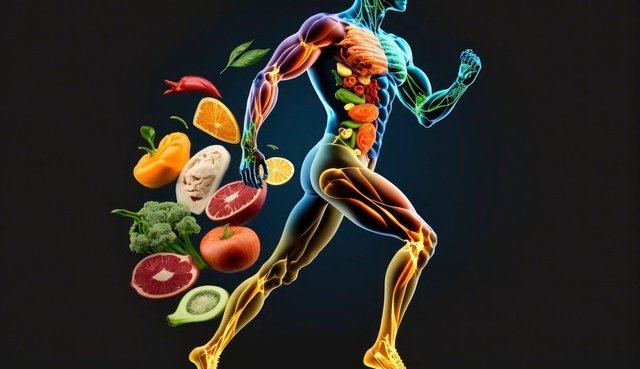

There is no specific nutritional advice. But by sticking to basic recommendations and listening to your body (and your coach), you’ll make your race as comfortable as possible and avoid unpleasant surprises from your digestive system.
Why food is considered part of the preparation – this and much more will be discussed in the article.
Why Marathon Nutrition Matters
If you don’t fuel correctly, you’re likely to “hit the wall” — a sudden fatigue that makes finishing the race extremely difficult. Also leads to muscle cramps, dehydration, and slower recovery.
“Nutrition is the fourth discipline of running a marathon, after training, gear, and mental preparation.”
— Nancy Clark, Registered Dietitian & author of Nancy Clark’s Sports Nutrition Guidebook
How Much and How Often a Marathon Runner Should Eat
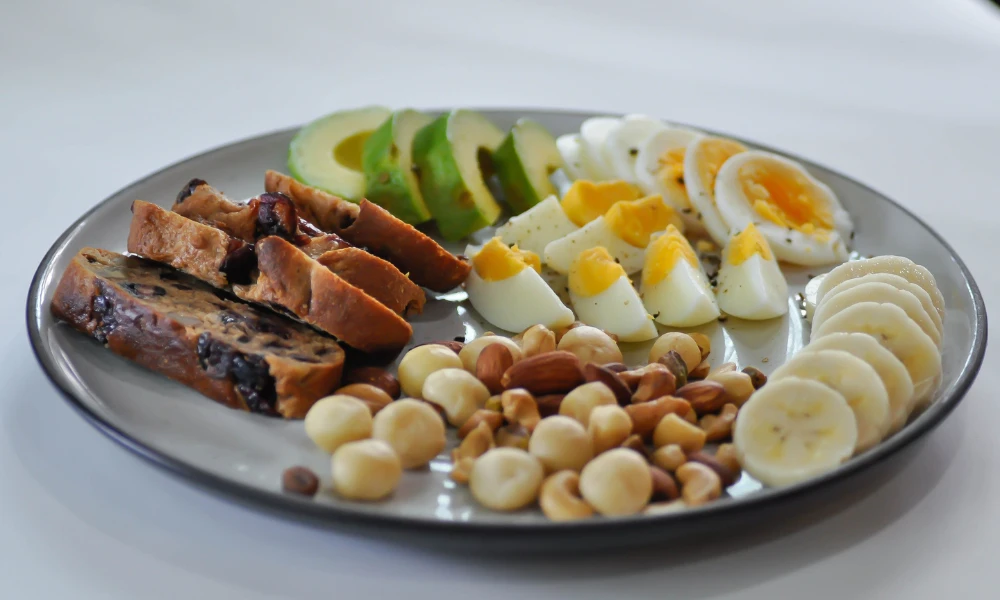
The balance between energy intake and energy expenditure is both simple and complex. If there is no goal of losing or gaining weight, calorie intake should roughly correspond to energy expenditure.
Calorie expenditure is made up of basic metabolism and additional energy expenditure.
Basic metabolism is how many calories we spend just to maintain the functioning of all body systems. That is, roughly speaking, when we lie down and do nothing.
As soon as we get up and go, this is already additional energy expenditure. This includes household activities, work, and training. Accordingly, the more active your activities during the day, the more energy you need to consume.
How Much to Eat for Marathon Runners
The caloric content of the diet depends on:
intensity and duration of training (the higher they are, the more calories you need to consume);
ambient temperature (in cold weather, a lot of energy is spent on heating);
body weight (the higher it is, the higher the basic metabolism and calorie needs; muscles need to be “fed”);
activity during the day.
The exact number of calories you need per day can be determined by doing a body composition study. One of the indicators will be your basal metabolism. And to this figure, you need to add your daily energy expenditure.
But you need to keep in mind that this figure will change over time. If you gain muscle mass (normal for beginner runners), your basal metabolic rate and, consequently, your daily calories will increase. If you lose muscle mass (also normal for long-term aerobic training), your basal metabolism will drop, and your daily calories will need to be reduced to avoid gaining weight.
In general, you can be guided by these figures: women who train 3-4 times a week, on average, need to consume 2500-3000 kcal per day, men 3000-3500 kcal. When training 5-6 times a week, 3000-3500 kcal and 4000 kcal, respectively.
How Often Marathon Runners Should Eat
As for the frequency of meals, this is also a rather controversial and individual question. For a long time, frequent split meals were considered to be maximally useful. Now, more and more experts recommend eating less often, 3 or even 2 times a day, motivated by the fight against insulin resistance. And here’s how it works.
Whenever calories enter the stomach (whether it’s food, coffee with milk, juice, sweet tea – anything that contains calories), the digestion process begins, and blood glucose levels rise. This indicator must be within a certain (rather narrow) range for the body to function normally. Therefore, in response to an increase in glucose levels, insulin is released into the blood, which “removes” this glucose from the blood into the cells, returning blood glucose levels to normal.
If such spikes in glucose (frequent meals) and, consequently, insulin, occur constantly, then over time the cells become less sensitive to insulin, and this is already type 2 diabetes, which may eventually turn into type 1 (insulin-dependent).
At the same time, of course, you should not starve yourself. It is important for athletes to replenish the calories spent to prevent exhaustion. If you feel very hungry after training, eat, even if it is the 4th or 5th meal. The main thing is that it should be a full, healthy meal.
What and When to Eat Before Training
A pre-workout meal should, on the one hand, satiate you and give you energy for physical work, but on the other hand, it should not be too heavy or cause stomach discomfort.
Therefore, the optimal choice is complex carbohydrates a couple of hours before training: porridge on water, pasta from durum wheat, and whole-grain bread. A small amount of protein is allowed for greater satiety. If you can not eat a full meal and do not have enough time, you can eat a banana, some dates, oatmeal cookies, granola bars – something carbohydrate and easily digestible – 30-40 minutes before training.
Foods that can cause discomfort should be avoided. These include meat and fish (long and hard to digest), fatty and fried, spicy (can cause heartburn), as well as all foods that can lead to increased gas formation: legumes, fruits and vegetables, and dairy products.
Marathon Nutrition Plan: Step-by-Step

1. Everyday Nutrition (During Training)
- Carbohydrates (50–65%): Your primary energy source. Focus on whole grains, fruits, and starchy vegetables.
- Proteins (15–20%): Help repair muscles. Include lean meats, eggs, yogurt, tofu, and beans.
- Fats (20–30%): Support hormones and joints. Use avocados, nuts, seeds, and olive oil.
Choose nutrient-rich foods. Avoid processed snacks and sugary drinks. A sample daily meal:
- Breakfast: Oatmeal with banana and almond butter
- Lunch: Quinoa, chicken, and veggies
- Dinner: Salmon, brown rice, and broccoli
- Snacks: Greek yogurt, nuts, apples
Drink 2–3 liters of water daily. After long or sweaty runs, add electrolytes to your fluids.
Related Post: Best Electrolyte Drinks for Runners
2. The Week Before the Marathon
The so-called carbohydrate loading is a part of the marathon preparation, and it is carried out a week before the marathon. It consists of removing carbohydrates from the diet for 3 days, leaving mainly proteins and fats. Due to this, we deplete glycogen stores and almost do not compensate for them with food.
In the next 3 days, on the contrary, you should eat mostly carbohydrate food. The effect of supercompensation will work – the body will store glycogen more actively than it would without the first three days of unloading.
This diet may not suit everyone, because we all react differently to increased protein content in food. Therefore, if you decide to try such a diet, check its effect not before the main start, so that there are no unpleasant surprises.
Foods to Eat
- Pasta, white rice, sweet potatoes
- Bread, bagels, cereal
- Bananas, applesauce, juice
What to Avoid
- High-fiber foods
- Spicy meals
- Alcohol
Sodium and Fluid Retention
Slightly increase salt in your meals to help retain fluids.A study in the Journal of the International Society of Sports Nutrition found that carb-loading improved endurance performance by up to 20%.
Dinner Night before the start
Dinner should be high in carbohydrates, lower in fat, protein and fiber.
Don’t overeat the night before and justify it with carbohydrate loading. Overeating can cause poor sleep and stomach problems. Don’t eat too late; eat at least 3 hours before bedtime.
Consume what you always eat before a competition. Outside of the house, avoid any raw fruit; eat non-perishable foods (like pasta or other grains).
Dinner example:
Carbohydrates are based on durum wheat pasta, rice, and simple cereals (buckwheat, buckwheat, oatmeal). To them, you can add lean fish (white varieties are better) or a little lean meat (veal, chicken, or turkey breast).
4. Race Day Nutrition
Drink a glass of water after waking up.
The purpose of breakfast is to fully load up on carbohydrates, as glycogen content is halved overnight.
Eat an easy-to-prepare meal, low in protein, fat, and fiber. Eat 2-3 hours before you start.
Pre-Race Meal (2–3 Hours Before)
Eat a high-carb, low-fiber meal you’ve tested in training:
- Oatmeal with honey and banana
- A bagel with peanut butter
- White rice with scrambled eggs
Related Post: What to Eat Before a Long Run
What to Eat During the Race
You’ll burn 2,500–3,500 calories during the marathon. Refuel early and regularly.
- Fluids: Sip water or sports drinks every 15–20 minutes
- Carbs: Take energy gels or chews every 30–45 minutes
- Aim for 30–60g of carbs per hour
Avoiding Common Issues
- Don’t try new products on race day
- Test your fuel in training runs
- Avoid waiting until you’re exhausted to eat
A review in Sports Medicine showed endurance athletes who consumed carbs during races improved performance by up to 11%.
5. Recovery Nutrition
After a marathon, you need to recover properly, and food is one of the elements of recovery.
Don’t binge on food immediately after finishing: digestion may not work well after a long run, and it takes some time for blood flow to redistribute back from the muscles to the internal organs. Do a warm-up, change your clothes (20-30 minutes), and then eat something digestible like a banana or granola bar.
Eat small meals for the first few hours. Exclude fatty, heavy food, and fast food, so as not to burden the liver and stomach. Toward evening, organize a full meal. It should be proteins (necessary for muscle recovery) and carbohydrates (to replenish glycogen stores): lean meat or fish with a side dish, eggs are perfect.
The 30–60 Minute Window
Refuel with a 3:1 ratio of carbs to protein to speed up recovery:
- Chocolate milk
- Smoothie with banana, spinach, and protein powder
- Rice bowl with chicken and avocado
Long-Term Recovery (24–48 Hours)
- Eat colorful veggies, lean proteins, and whole grains
- Drink plenty of water and electrolytes
- Sleep and active recovery are key
How to Avoid Stomach Issues While Running

Stomach problems during races are quite common. The whole point is that during physical exertion, blood flow is redistributed from internal organs to muscles. Therefore, digestion begins to work poorly. To ensure that this process goes unnoticed and does not cause problems, adhere to the following recommendations:
Eat breakfast at least 2 hours before the start (training) so that the food has time to digest.
Before running, eat mostly carbohydrate foods for energy.
Minimize protein foods – they take a long time to digest and can cause heaviness and discomfort.
Before training/running, avoid all foods that can cause gas: dairy, legumes, fruits and vegetables, and spicy foods.
Eat only familiar and tested foods before running to avoid unforeseen body reactions.
Test gels, drinks, supplements, pills, and similar nutrition you want to use at the marathon in advance, again, so there are no unpleasant surprises.
Avoid carbonated drinks – they can cause bloating.
Be careful with coffee: in addition to raising your heart rate, caffeine can cause heartburn and other problems while running.
Final Thoughts
To summarize, here are the basic nutritional recommendations if you are preparing to run a marathon.
Everyone who is actively training needs to watch their nutrition. Marathon runners have a higher caloric intake due to the high energy expenditure during training, but that doesn’t mean you can eat whatever you want. We eat to run, not the other way around.
The basis of your marathon training diet is complex carbohydrates (60-70%), about 20% protein and 10% “healthy” fats. Daily calorie intake can be about 3000 kcal for actively training women and 4000 kcal and even more for men.
The number of meals, according to modern research, should not be large, so as not to create conditions for the development of insulin resistance.
Exclude from your diet sweets, flour, fried heavy food, sauces, convenience foods, and fast food. These are “empty” calories that do not carry any benefit to the body.
Eat a varied diet – this will ensure the intake of all necessary substances. If you can’t eat a full diet or if you follow a certain dietary pattern (vegetarianism, for example), compensate for deficiencies with supplements.“Fueling well is a learned skill. The more you practice it, the better you’ll perform.”
— Tina Muir, elite runner & host of the Running for Real Podcast