
Should you grab a sports drink with sugar and flavor, or pop a no-fuss electrolyte tablet into your water? That’s where sports drinks and electrolyte tablets come in — but which one is better for you?
One of the most common mistakes new runners make is thinking water is enough. You might be missing more than just water. We’re breaking it down with advice and practical tips to help you choose the best for your run.
What Are Electrolytes?
Electrolytes, essential minerals, regulate everything from nerve impulses to muscle movement and fluid balance.
Here are the big four runners who sweat out the most:
- Sodium 🧂 – The top priority for endurance athletes
- Potassium 🍌 – Supports healthy muscle and heart function
- Magnesium – Fights off fatigue and cramping
- Calcium – Helps muscles contract and stay strong
Sports Drinks: What You Need to Know
Sports drinks like Gatorade, Powerade, and Nuun Sport (when mixed into a drink) are made to hydrate and replace electrolytes — fast. They usually contain:
Water
- Electrolytes (especially sodium and potassium)
- Carbohydrates (usually sugar or glucose)
- Some even have caffeine or amino acids for an extra boost.
Electrolyte Tablets: What You Need to Know
Electrolyte tablets dissolve into your water and deliver hydration where it counts. Brands like GU, Nuun, and Precision Hydration typically include:
Key electrolytes like sodium, potassium, and magnesium
Zero or very low sugar content
Hardly any calories, making them ideal for training or race day
If you’re chasing endurance and efficiency, electrolyte tablets may be the smarter way to hydrate.
Here’s a side-by-side comparison:
| Feature | Sports Drinks | Electrolyte Tablets |
|---|---|---|
| Electrolyte Replacement | ✅ Yes | ✅ Yes |
| Carbs for Energy | ✅ Yes (10–30g per serving) | ❌ Usually none |
| Sugar Content | ❌ Often high | ✅ Low to none |
| Calories | ❌ Moderate to high | ✅ Low |
| Portability | ❌ Bulky bottles | ✅ Easy to carry |
| Taste | ✅ Flavorful | ☑️ Mild or fizzy |
| Stomach-Friendly | ❌ Can be too sweet | ✅ Usually gentler |
Which One Is Better for Long Runs?
Deciding between sports drinks and electrolyte tablets for your long runs isn’t about choosing the “better” option — it’s about knowing which suits your needs, body, and training conditions.
If you’re planning a run longer than 90 minutes, sports drinks are an excellent choice in warm or humid weather where sweat loss is higher. These drinks also deliver carbohydrates. Sports drinks are incredibly convenient if you’re the type of runner who prefers an all-in-one fueling — hydration, electrolytes, and carbs in a single bottle. Especially useful when your goal is endurance.
On the other hand, electrolyte tablets are ideal for runners who want more flexibility and control over their nutrition. Tablets contain little or no sugar and very few calories. They’re great if you prefer to get your carbs from solid food or energy gels, or if you have a sensitive stomach that doesn’t tolerate sugary drinks well.
Electrolyte tablets also work well in cooler conditions or during shorter long runs (about 60 minutes), where energy demands are lower.
Some runners even combine the two strategies.
For example, they might drink electrolyte-enhanced water and supplement with energy gels at regular intervals, effectively managing hydration and fueling separately. This approach can offer the best of both worlds, especially for those training for half marathons, marathons, or ultramarathons.
Ultimately, the best option for long runs depends on how your body responds during training. Try both methods and evaluate which one helps you perform better, stay hydrated, and avoid cramps or fatigue.
What works in theory may not always match what your body prefers in real races. Testing is important.
How to Use Sports Drinks and Electrolyte Tablets Effectively
Once you’ve chosen whether to use sports drinks, electrolyte tablets, or both, the next step is learning how to use them strategically to get the most benefit during your long runs.
Experts recommend drinking small amounts regularly rather than waiting until you feel thirsty. Aim to sip around 150–250 ml (about 5–8 oz) of a sports drink every 15 to 20 minutes during your run. This intake helps keep your blood sodium levels stable while delivering a continuous stream of quick-digesting carbohydrates. Look for sports drinks with a carbohydrate concentration of 6–8%, which translates to roughly 14–20 grams of carbs per 250 ml. That range provides energy without causing stomach discomfort.
Keep in mind, however, that overconsuming sports drinks can lead to bloating or GI distress, especially if the drink is too sweet or too concentrated. Be sure to follow the manufacturer’s instructions and avoid “doubling up” the scoops. More isn’t always better.
With electrolyte tablets, your strategy will be slightly different. You’ll start by dissolving one tablet into about 500 ml (16 oz) of water and drinking some of it 30 minutes before your run. This pre-hydration helps top off your electrolyte levels before you start sweating.
During the run, continue sipping the tablet-infused water at a steady pace. Because most electrolyte tablets don’t contain calories or carbs, you’ll need to plan a separate fuel strategy if your run lasts over 75–90 minutes. This might include energy gels, chews, or even real food like bananas or dates, depending on your preferences and gut tolerance.
Whether you’re training for a 10K or up for a half marathon, the key to using both sports drinks and electrolyte tablets effectively lies in consistency and practice.
As an experienced runner and coach who’s helped many athletes prepare for long races, here’s what I’ve found works best:
For runs under 75 minutes:
- Just water or an electrolyte tablet is usually enough, especially in cool weather.
For runs over 90 minutes:
- Use electrolyte tablets + energy gels (easier on the stomach) or
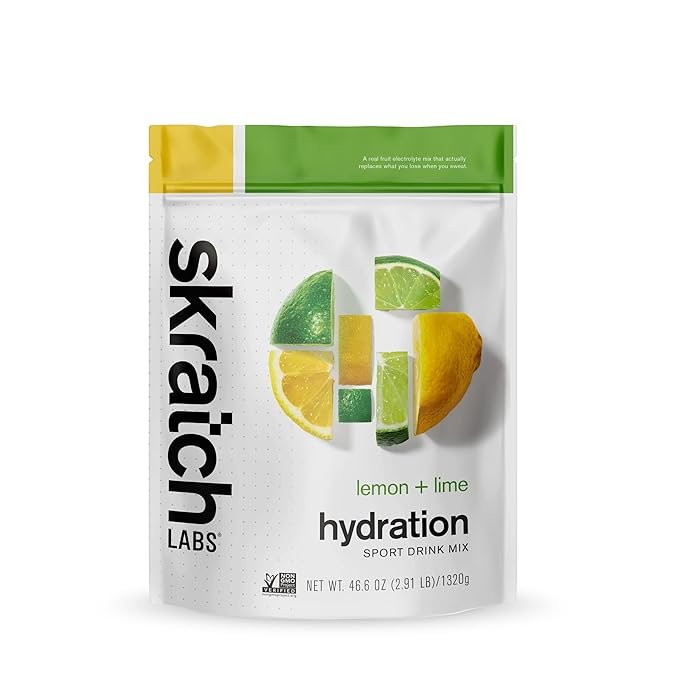
- A sports drink with electrolytes + carbs like Maurten or Skratch Labs
I recommend testing both in training — never try something new on race day.
Final Thoughts
So, sports drinks vs electrolyte tablets — what’s best for long runs? The answer depends on your personal needs and how your body responds during training.
If you prefer an all-in-one solution that provides both hydration and quick energy, sports drinks are a great choice. They’re especially helpful on longer runs where you need a steady supply of carbohydrates.
If you’re looking to avoid added sugars or want more control over your calorie intake, electrolyte tablets are a smarter option. They’re easy on the stomach and perfect if you get your energy from other sources like gels or food.
Many runners find success using a combination of both. For example, you might hydrate with electrolyte tablets and fuel with energy chews or gels separately. It’s all about experimenting during training and finding what works best for your body and your goals.
💡 Tip: Try Nuun electrolyte tablets and Skratch Labs sports drinks. Both are trusted by runners and known for being gentle on the stomach — a big plus during long efforts.
FAQ
Are electrolyte tablets better than sports drinks?
They’re not better or worse — just different. Tablets are low-calorie and customizable. Sports drinks provide both hydration and energy.
Can I make my electrolyte drink?
Yes! Mix water, a pinch of salt, a splash of orange juice or honey, and a squeeze of lemon. It’s not perfect, but it works in a pinch.
Are electrolyte tablets safe every day?
Generally, yes. Just watch your sodium intake if you’re not sweating heavily.
References
1. Jeukendrup, A. E. (2014).
A step towards personalized sports nutrition: carbohydrate intake during exercise. Sports Medicine Journal – Springer
2. Sawka, M. N., & Montain, S. J. (2000).
Fluid and electrolyte supplementation for exercise heat stress. The American Journal of Clinical Nutrition
3. Academy of Nutrition and Dietetics.
Hydration for Athletes. eatright.org – Hydration Tips for Athletes