
Training is the stimulus. Recovery is when adaptation actually happens. The workout itself breaks down muscle fibres, depletes glycogen, and stresses connective tissue; none of that becomes fitness until the recovery period allows the body to rebuild stronger than before. Runners who train hard and recover poorly accumulate fatigue without accumulating fitness.
The most common training error among recreational runners isn’t insufficient intensity or mileage; it’s insufficient recovery relative to the load being applied. This guide covers every major recovery tool available to runners, with practical protocols for immediate post-run recovery, between sessions, and after race-day efforts.
Use our running calculator to check your training paces and confirm that your easy runs are genuinely easy recovery sessions that only produce their benefit at low intensity. If you’re building toward a goal race, our training plan hub integrates recovery weeks into the overall structure.
- Why Recovery Is Training
- 1. The Cool-Down: Immediate Recovery Starts Here
- 2. Nutrition: The 30–60 Minute Recovery Window
- 3. Sleep: The Most Important Recovery Tool
- 4. Active Recovery Sessions
- 5. Foam Rolling and Massage
- 6. Cold Therapy
- 7. Heat Therapy
- 8. Compression Garments
- 9. HRV-Based Recovery Monitoring
- 10. Planned Recovery Weeks
- 11. Post-Marathon Recovery: A Different Protocol
- Recovery by Session Type: Quick Reference
- Frequently Asked Questions
Why Recovery Is Training
The physiological principle: training applies stress, and stress is the signal for adaptation. But the adaptations—muscle protein synthesis, glycogen resynthesis, tendon remodelling, and mitochondrial density increase—happen during the recovery period, not during the session.
The session ends at the start line, not the finish line. What you do in the 24 hours after a hard workout determines how much of that workout becomes fitness. Runners who skip recovery aren’t training harder — they’re training twice without absorbing either session.
The practical consequence: Two sessions of hard training with inadequate recovery between them produce less adaptation than one session with full recovery. Accumulating fatigue without sufficient recovery doesn’t build fitness; it erodes it.
1. The Cool-Down: Immediate Recovery Starts Here
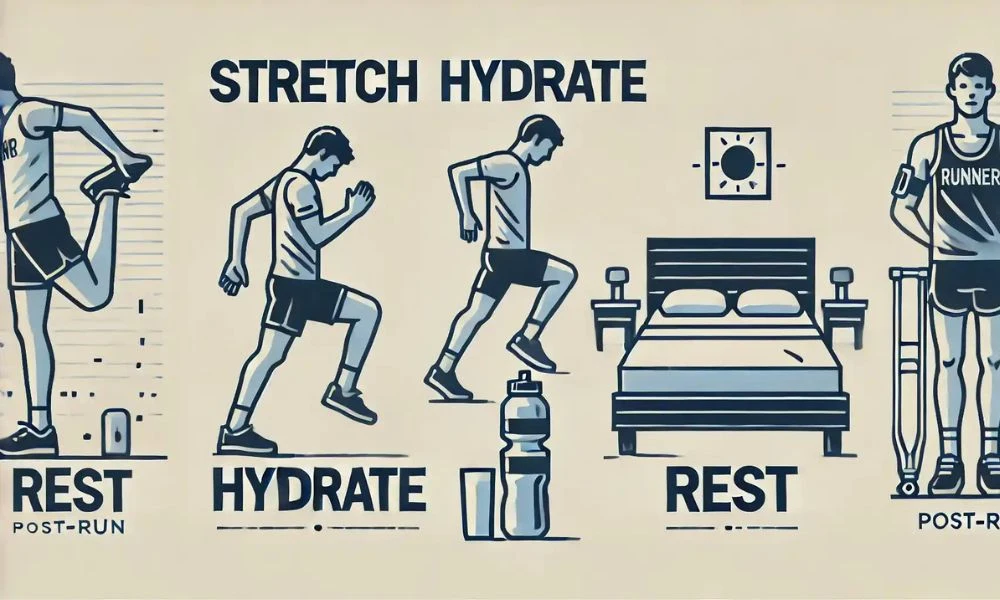
Every session ends with a transition, not a stop. Walking for 3–5 minutes after any moderate-to-hard run allows heart rate and blood pressure to reduce gradually, prevents the blood pooling in the lower limbs that causes post-run dizziness, and starts the physiological shift from sympathetic (exercise) to parasympathetic (recovery) state.
Static stretching immediately post-run when muscle temperature is elevated produces greater flexibility gains than equivalent stretching at other times. Priority muscle groups: hip flexors, hamstrings, quadriceps, calves. Hold each for 20–30 seconds.
Foam rolling the calves, quads, IT band, and glutes reduces localised muscle tension and improves short-term range of motion. 5–10 minutes after stretching.
For a complete cool-down protocol organised by session type, including what to do differently after an easy run versus a hard interval session versus a marathon, see our cool-down guide for runners.
2. Nutrition: The 30–60 Minute Recovery Window
The most active window for post-run recovery nutrition is 30–60 minutes after finishing. During this window, glycogen resynthesis and muscle protein synthesis are both operating at peak rates, meaning carbohydrate and protein consumed here are significantly more effective for recovery than the same nutrients consumed 3–4 hours later.
Target: A 3:1 or 4:1 carbohydrate-to-protein ratio in the first 30–60 minutes. Practical options:
- Chocolate milk (fast-absorbing carbs, whey protein, sodium, fluid) is one of the most evidence-backed recovery foods)
- A smoothie: banana, oat milk, protein powder, and fruit
- Greek yogurt with a banana and honey
- Rice bowl with chicken and a sports drink
Hydration: Mild dehydration after any run is normal. The target for rehydration is approximately 1.5× the fluid lost, measured by pre/post run weight difference if you want precision. Each kilogram of weight lost represents approximately one litre of fluid. Include sodium alongside fluid (food, electrolyte drink, or simply salting your meal). Sodium is required for effective rehydration and fluid retention.
Micronutrients that matter:
- Magnesium: Deficiency increases fatigue rate and cramping risk. Many athletes are borderline deficient. Found in leafy greens, nuts, seeds, and dark chocolate. Supplementation is worth considering for runners with heavy training loads.
- Iron (ferritin): Ferritin drops significantly after marathon efforts and during high-mileage training periods. Annual testing is recommended particularly for female runners and plant-based runners. See our annual medical tests guide for ferritin testing specifics.
For the full carbohydrate and recovery nutrition framework, see our best carbohydrates for runners guide and the marathon nutrition plan for race-day and post-race nutrition specifically.
3. Sleep: The Most Important Recovery Tool

Sleep is not one recovery tool among many it is the primary recovery mechanism. Growth hormone (which drives muscle repair and tendon remodelling) is released primarily during slow-wave sleep. Motor learning consolidation (making training adaptations permanent) happens during REM sleep. Immune function restoration, cortisol regulation, and HRV recovery all depend on sleep quality and duration.
Targets for runners in active training: 8–9 hours per night minimum; 9–10 hours during peak mileage phases. The consequences of sleeping under 7 hours are not vague — they include elevated training heart rate, reduced pain tolerance, impaired glycogen storage regardless of diet, and higher injury risk.
Practically, consistent bedtime and wake time (including weekends) anchors the circadian rhythm and produces better sleep architecture than variable timing. A room temperature of 16–19°C supports sleep onset. Caffeine cutoff by early-to-mid afternoon.
For the complete sleep and running performance guide including sleep loading before race builds, race-week sleep management, and how HRV tracks sleep quality see our sleep and running guide.
4. Active Recovery Sessions
Active recovery running — 20–40 minutes at genuinely easy effort, well below your aerobic threshold, accelerates recovery between harder sessions through several mechanisms:
- Increases blood flow to muscles, delivering oxygen and nutrients while clearing metabolic byproducts
- Maintains neuromuscular patterns without adding meaningful training stress
- Supports cardiovascular system recovery from hard efforts without adding load to the musculoskeletal system
The keyword is genuinely easy. Active recovery runs should feel almost embarrassingly slow typically 1:30–2:00 per kilometre slower than marathon pace for most recreational runners. Heart rate should stay comfortably below 70% of maximum (Zone 1–low Zone 2).
To determine your personal aerobic threshold and zone boundaries accurately, a lactate threshold test (performed at a sports physiology laboratory or specialist clinic) provides precise, individualised data. This test measures blood lactate concentration at progressively increasing efforts to identify the exact intensity at which aerobic metabolism transitions to anaerobic. For runners over 40 or those with specific performance goals, a full CPET (cardiopulmonary exercise test) adds VO2 max and cardiac data alongside the threshold information. See our annual medical tests guide for more on when this level of testing is appropriate.
Swimming, cycling, and yoga are equally valid active recovery tools they maintain movement and blood flow while eliminating impact.
5. Foam Rolling and Massage
When muscles are significantly tight or knotted, stretching alone doesn’t reach the affected tissue effectively. Myofascial release direct pressure on the muscle belly to release chronic tension, is the more targeted intervention.
Foam rolling (self-myofascial release): Move the roller slowly (2–3 cm per second) over the muscle belly. Pause for 20–30 seconds on tender spots. Priority areas for runners: calves (gastrocnemius and soleus separately), quads, IT band tissue (target the TFL and glutes rather than the IT band itself — the band is dense connective tissue that doesn’t respond to rolling; the muscles that create tension in it do), hip flexors, and thoracic spine.
The first several sessions may be uncomfortable. With consistent practice 3–4 times per week for 10–15 minutes, chronic tightness patterns reduce significantly over 4–6 weeks.
Sports massage: A skilled sports massage therapist produces deeper, more targeted soft tissue release than any self-technique. For runners in heavy training, one session every 2–3 weeks is meaningful preventive maintenance. Monthly is better than nothing. The investment is lower injury risk and faster muscle recovery between sessions.
6. Cold Therapy
Cold therapy, ice baths, cold showers, and cryotherapy chambers reduce acute muscle soreness and attenuate the acute inflammatory response to hard training.
When it’s appropriate: After hard competitive efforts (races, time trials, very hard long runs), where rapid reduction of acute soreness is the priority.
When to be cautious: After regular training sessions aimed at long-term adaptation. Research suggests that the acute inflammatory response suppressed by ice baths may be part of the adaptation signal — blunting it potentially reduces the training benefit. This is the context in which cold therapy after every training session may actually limit fitness gains. Evidence is ongoing, but the concern is credible enough to warrant selective rather than routine use.
Practical protocol when used: 10–15 minutes in water at 10–15°C (50–59°F). The uncomfortable part is the first two minutes — the body adapts quickly within a session. Cold showers (ending a warm shower with 30–60 seconds of cold) produce some of the same acute effects with far lower barrier.
Cold therapy is not essential for recreational runners and should not replace sleep, nutrition, and cool-down as the primary recovery tools. It is an adjunct for specific contexts, not a daily requirement.
7. Heat Therapy
Heat is the underused counterpart to cold therapy. Where ice reduces acute inflammation and soreness, heat relaxes muscle tension, increases blood flow, and accelerates tissue repair in chronic or sub-acute conditions.
When heat is appropriate: 24–48 hours after hard training, once acute soreness has peaked; for chronic muscle tightness; between training sessions when the goal is muscle relaxation rather than inflammation reduction.
Methods:
- Hot bath or shower: 15–20 minutes at 38–40°C. Straightforward and accessible.
- Sauna: 15–20 minutes in a dry or infrared sauna. Emerging evidence suggests regular sauna use may improve cardiovascular adaptation and growth hormone release — potentially complementing training adaptations. Specific protocol: sauna after training (not before), hydrate thoroughly afterward.
- Heat pack on specific areas: For localised muscle tension (lower back, calves, hip flexors) following long training days.
Avoid heat immediately after an acute injury or strain, where inflammation is active; heat in this context amplifies swelling rather than reducing it.
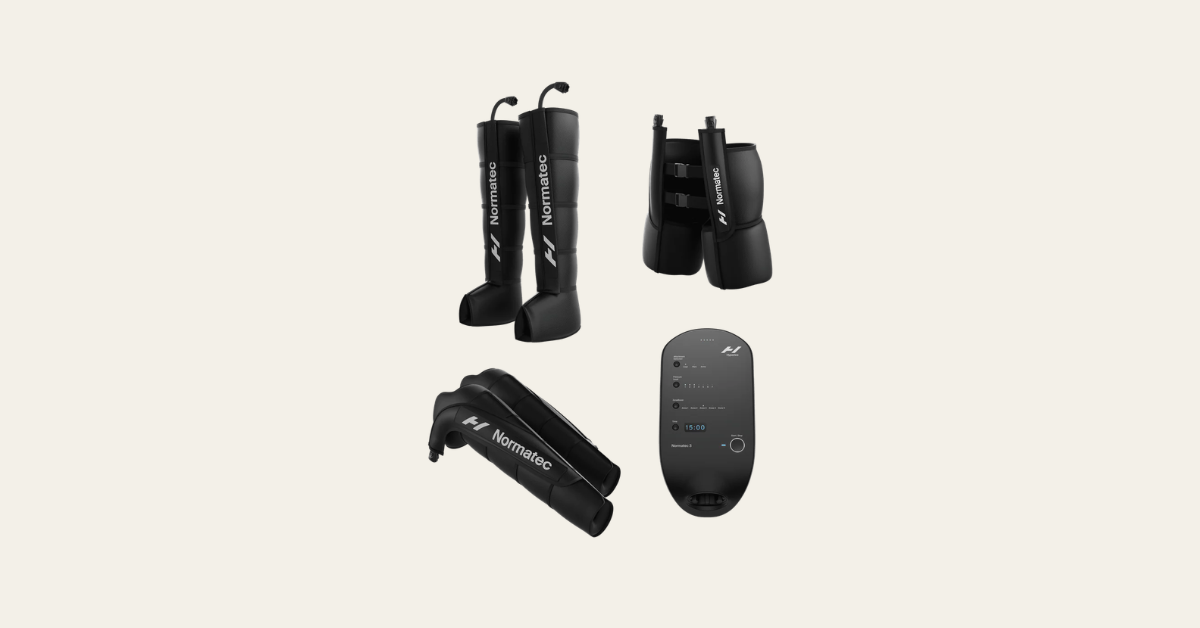
8. Compression Garments
Compression socks, calf sleeves, and compression tights worn post-run exert graduated pressure on the lower limbs, supporting venous return (blood flow back toward the heart) and reducing the oedema (fluid accumulation) that contributes to DOMS.
Research is mixed on whether compression garments meaningfully improve performance, but evidence for their role in post-run recovery, particularly for reducing leg heaviness and subjective soreness between sessions, is reasonably consistent. For runners doing two sessions per day or racing multiple days in a row, compression garments during the passive recovery window are worth using.
Practical protocol: put compression socks or sleeves on immediately after finishing and wear for 2–4 hours post-run or overnight. Gradient compression (tighter at the ankle, graduated upward) is the appropriate type, not generic tight athletic socks.
9. HRV-Based Recovery Monitoring
Heart Rate Variability (HRV) — the beat-to-beat variation in heart rate intervals is the most accessible objective measure of recovery status available to recreational runners. A suppressed HRV reading (below your personal baseline) indicates the autonomic nervous system is under elevated stress from accumulated training load, insufficient sleep, illness, or life stress.
Most GPS watches (Garmin, Polar, Coros) now generate morning HRV-based readiness scores. Used alongside subjective perception, HRV provides an early warning signal before fatigue becomes performance-limiting:
- Consistent HRV at or above baseline: recovery is keeping pace with training
- HRV trending down over 3–5 days: accumulated fatigue consider reducing intensity or volume
- Single-day HRV suppression: monitor; may reflect a night of poor sleep rather than systemic under-recovery
Take readings first thing in the morning, lying down, before coffee, under consistent conditions. Build 2–3 weeks of baseline data before interpreting trends. For a full explanation of HRV in the context of heart rate training, see our heart rate while running guide.
10. Planned Recovery Weeks
Recovery isn’t only about what happens in the 24 hours after a session — it’s also about how training loads are structured across a multi-week training block.
Most structured training plans include a recovery week every 3–4 weeks: a deliberate reduction in training volume (typically 20–30%) while maintaining some intensity. The recovery week allows the accumulated training stress of the preceding weeks to be absorbed converting the training stimulus into fitness rather than just fatigue.
Runners who train continuously at the same or increasing load without recovery weeks typically plateau, and eventually the accumulated fatigue exceeds the fitness gains from the load.
Signs that you need an unplanned recovery week:
- Resting heart rate elevated 4–5+ bpm above personal baseline for 3+ consecutive days
- Easy runs consistently feel harder than they should at low HR
- HRV trending down for 5+ consecutive days
- Persistent motivation drop combined with heavy legs
- Unexplained slow times at effort levels that previously produced faster paces
11. Post-Marathon Recovery: A Different Protocol
A marathon 42.2 kilometres at race effort produces a scale of musculoskeletal damage and systemic stress that requires a significantly longer recovery timeline than any training session.
Post-marathon recovery timeline:
| Days post-race | Recovery priority | What to do |
|---|---|---|
| 0–2 | Acute inflammation | Gentle movement, foam rolling, sleep, and full nutrition restoration |
| 3–7 | Soreness reduction | Gentle movement, foam rolling, sleep, full nutrition restoration |
| 1–2 weeks | Tissue repair | Easy walking and very short easy jogging when pain-free |
| 2–3 weeks | Early return to running | Easy 20–30 min runs, no intensity |
| 3–4 weeks | Normal easy training | Rebuild volume gradually; no speed work |
| 4–6 weeks | Full training return | Intensity returns only after easy volume is comfortable |
Common error: resuming hard training at 2–3 weeks because the acute soreness has gone. Muscle soreness resolves faster than the underlying tissue damage — you feel ready before you are. Racing or doing a hard track session at 2–3 weeks post-marathon significantly elevates injury risk.
For race-week and post-race nutrition to support recovery, see our marathon nutrition plan.
Recovery by Session Type: Quick Reference
| Session type | Immediate recovery | 24-hour recovery | Notes |
|---|---|---|---|
| Easy run (under 60 min) | Walk 3–5 min, light stretch | Normal routine | Minimal specific recovery needed |
| Long run (90+ min) | Full cool-down, nutrition within 30 min | Compression, foam roll, early sleep | Most important recovery window |
| Hard intervals or tempo | Full cool-down, nutrition within 30 min | Active recovery next day, monitor HRV | Avoid back-to-back hard sessions |
| Race or time trial | Walk 15 min, nutrition, hydration, warmth | 48–72 hr easy only | Cold therapy appropriate after racing |
| Marathon | Walk, nutrition, sleep priority | 2–3 weeks light only, then gradual rebuild | Most complex recovery; resist early hard training |
Frequently Asked Questions
How long does it take to recover from a long run?
For most recreational runners, a long run of 25–30km requires 48–72 hours of recovery before the next quality session. A marathon requires 3–6 weeks before returning to normal training. Muscle soreness resolving is not the same as full recovery — connective tissue takes longer than muscle to repair.
Should I run the day after a hard session?
Yes, but at genuinely easy effort. Active recovery running (20–40 minutes in Zone 1, well below your aerobic threshold) accelerates recovery by increasing blood flow to muscles without adding meaningful training stress. This is significantly better for recovery than complete rest for most runners.
Is foam rolling actually effective for recovery?
Foam rolling reduces localised muscle tension and improves short-term range of motion. Evidence for long-term structural benefit is more limited. Most runners find that consistent foam rolling reduces chronic tightness over 4–6 weeks. Do it after static stretching, not instead of it, and target the TFL and glutes rather than the IT band itself for outer thigh tightness.
Are ice baths worth it for runners?
For racing and hard competitive efforts, ice baths reduce acute soreness effectively. For regular training sessions where long-term adaptation is the goal, routine icing may suppress the inflammatory signal that drives training adaptation. Use cold therapy selectively after races and very hard sessions; don’t make it a daily post-run ritual.
What should I eat immediately after a long run?
A 3:1 or 4:1 carbohydrate-to-protein snack within 30–60 minutes — chocolate milk, a smoothie with banana and protein, or rice with chicken. This window is when glycogen resynthesis and muscle protein synthesis rates are highest. Follow with a proper meal 1–2 hours later. Prioritise sodium-containing fluids for rehydration.
How do I know if I’m not recovering enough?
The most reliable signals: resting heart rate elevated above your personal baseline by 4+ bpm for multiple consecutive days, HRV trending downward across 5+ days, easy runs consistently feeling harder than they should, persistent heavy legs and low motivation, and unexplained performance decline at equivalent effort. Any combination of these signals warrants a recovery week.